


Blog Articles

When it comes to logistics, there are few vocations that are more misunderstood by the average person than a freight forwarder. It is one of the most vital pieces of the supply-chain puzzle and a crucial service that your business could greatly benefit from, but what is it, and how can it help take your logistics to the next level?
Read MoreWhat is freight forwarding? It’s a fair question, and in the world of logistics, a vitally important one. A freight forwarder is a vital piece of the supply chain puzzle, and in today’s post, we are going to explore what a freight forwarder is responsible for and how they can help take your logistics to the next level.
A freight forwarder, essentially, represents businesses in the arrangement and management of shipments and cargo. They are a logistics go-between that leverages a lengthy list of vetted international contacts to make sure that your business is moving effectively, at the best prices, and with the least amount of risk. They offer alternatives and cost-effective options that might otherwise have been missed, and work together to ensure that any supply chain challenges you face are resolved quickly and effectively.
Leveraging a freight forwarder’s expertise and presence in the industry is incredibly important, but its role and benefit for supply chains is not always immediately apparent - particularly for businesses that are unfamiliar or have not used one in the past. Someone new to international trade may be curious why adding an additional step to their supply chain would actually be good, and it’s a fair thought, that is, until you see firsthand what a freight forwarder can do for your logistics.
Who Should Use a Freight Forwarder?
Ultimately, a freight forwarder’s effectiveness is directly linked to volume and complexity - specifically in the supply chain. Let’s imagine you are making a bespoke product and selling it from your home. A direct connection with your carriers makes a lot of sense in that case. Your supply chain is small and manageable, likely consisting of a single carrier and maybe a handful of other operators. In this example, you probably negotiated with the carrier yourself, determining a price that worked for you, and potentially building a relationship that has yielded a benefit year over year. Due to the fact that your supply chain is relatively small, a freight forwarder probably isn’t needed; however, this situation changes significantly when volume and complexity start to mount.
Let’s imagine that your business explodes in both size and scope, and with it, your logistical needs. Now you aren’t just shipping single items from your home, but manufacturing them on a significant scale. You aren’t just driving to the lumber yard and picking up what you need - you’ve got carriers moving materials all around the country and potentially the world, which is to say nothing of the increased logistical needs of fulfilling your finished products, which may need special transportation like air or sea freight.
If you attempted to maintain the same level of direct control over every element of this operation, you would be overwhelmed almost immediately. In this scenario, you’d be dealing with anywhere from five to ten different companies, each with its own specific and unique contracts and needs, a swelling supply chain with increasingly complicated parts, and a need to meet this demand quickly, which means potentially moving forward without proper vetting or relationship building. The reality is that most medium or large-scale businesses do not have the time or the bandwidth to operate the same way small businesses do when it comes to logistics.
This is where a freight forwarder steps in.
What Does a Freight Forwarder Do?
At a fundamental level, a freight forwarder manages every element of your freight from start to finish - they also serve a vital role in the creation, maintenance, and execution of your supply chain.
Some of the benefits that a freight forwarder can offer your business include:
- Provide a vetted and trusted network of carriers.
- Not having to spend the time finding trustworthy carriers can be a value add all on its own. Not only do you save time, but you also know that the people you are working with are trusted in the industry.
- Assist with compliance and regulatory assistance
- Canada Border Services Agency and Customs and Border Protection have a host of compliance and regulatory challenges awaiting businesses looking to make it through ports of entry. Freight forwarders routinely work closely with brokers to make sure that you have what you need to import quickly, easily, and compliantly.
- Help with paperwork for air, sea, and land transportation is handled.
- One of the larger headaches is the host of contracts that can pile up when working with complex or logistics chains. Working with a freight forwarder often minimizes or entirely eliminates your need for multiple contracts.
- Access to a wealth of expertise
- When working with an experienced freight forwarder, like the ones you’ll find at PCB, you get a wealth of knowledge regarding what works and what won’t work. With a skilled freight forwarder, you can rest easy knowing that your risk is low. Speaking of PCB, it bears mentioning that we offer all-risk insurance for all your transportation needs.
What are the Advantages of Freight Forwarders?
It’s often a difficult hill to get over, the question of ‘why add an additional step to a supply chain, but the answer, in the case of freight forwarders, is surprisingly simple. A freight forwarder takes the complex process of developing, executing, and managing your supply chain and streamlines it into the best possible version. With the help of a freight forwarder, your company benefits from the knowledge and expertise of an industry expert who has done the hard part and is ready to help get your cargo moving.
If you are looking for assistance with your freight forwarding needs, look no further than PCB Freight Management. We have been helping companies with their logistics for decades, and our offerings are as robust as our team is tenured. For help with shipments of any size, shape, or quantity, be sure to contact our team today. We are standing by, ready to help!

Your freight insurance rates protect you as an importer against potential losses to the shipment during transit and carriers for potential loss of a c …
Read MoreYour freight insurance rates protect you as an importer against potential losses to the shipment during transit and carriers for potential loss of a customer. There are many different types including shipping insurance, freight insurance, cargo insurance, moving insurance, transit insurance, and transport insurance. All of these terms are names for insurance that covers goods or merchandise against damage or loss while in transit from one location to another. There are 2 types of cargo insurance, contingent cargo, and primary cargo insurance.
Contingent Cargo Insurance
Contingent cargo freight insurance is a requirement of all freight forwarders and has a legal minimum requirement. Cargo weight is the basis for coverage; for example, $0.60 per pound.
Primary Cargo Insurance
Primary cargo insurance insures goods for their full actual value, and this can be issued per shipment or via an annual policy to cover many shipments per year. For example, if the value of the shipment is $500,000, the primary cargo insurance policy will cover $500,000.
Are You Covered?
Most carriers have freight insurance, but as an importer, you should look into separate cargo insurance such as marine freight insurance as carrier liability is often limited to $0.50 per pound rather than on the actual value of your goods. For example, if your cargo is worth $100,000 and weighs 10,000 lbs, your carrier's liability insurance would only cover $5,000 in cargo loss.
If you require full value coverage, you should look into replacement value cargo insurance. Carriers should always know the value of the goods they are transporting. If the value of goods is not covered by the carrier's liability coverage, they should notify the client and determine if additional insurance coverage should be purchased.
Make Sure You Are Covered With The Assistance Of PCB Freight Management
Inland Cargo Insurance
Inland cargo insurance is another type of insurance. It covers domestic shipments via land (truck and rail) and air. Ocean cargo insurance provides coverage for shipments travelling via ocean whether on boat or container ship alike.
Coverage for cargo insurance is often referred to as 'warehouse to warehouse.' This coverage begins when transit begins and terminates when the cargo is delivered to the final destination.
Incoterms®
The responsibility for organizing insurance can be shared between the importer or buyer and exporter or seller or can be undertaken by just one of them. Make sure that the contract confirms the party responsible for the insurance policy. A clear way to do so is to use an internationally recognized term of sale, also known as Incoterms®.
Incoterms® clarify to what extent a party must take responsibility for particular risks during transportation. They define the responsibilities of the buyer and the seller and are recognized as the international standard by customs authorities and courts in all the main trading nations. Incoterms® reduce the risk of misunderstandings and legal disputes and also specify the loading and unloading responsibilities of the buyer and seller.
Download Your Own Incoterms Guide
What To Consider When Deciding On Insurance:
- Know the costs and inclusions if you are responsible for arranging insurance.
- Know the details of the insurance coverage if your supplier arranges insurance.
- Check with your business insurance provider to understand what coverage is already available to you.
- Make sure you inspect the goods upon receipt so you can remedy any problems promptly. If you discover damage or loss to your shipment follow the instructions outlined in your insurance policy or certificate to submit a claim.
- Know that carriers, freight forwarders, and third-party service providers will only arrange insurance if so instructed in writing. They do not do so automatically.
Know Before You Go
In keeping with the Customs motto of "Know before you go", "Know before you ship" as it relates to insurance coverage for the goods shipped is also imperative. Do not count on your freight broker's insurance policies to fully cover your shipment.

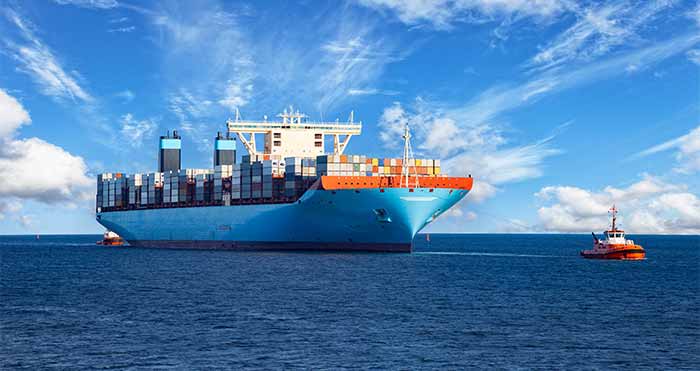
Tidewater Container Services Selected To Operate New Examination Facility In July of 2018 the Vancouver Fraser Port Authority (VFPA) announced they had …
Read MoreTidewater Container Services Selected To Operate New Examination Facility
In July of 2018 the Vancouver Fraser Port Authority (VFPA) announced they had selected Tidewater Container Services through Harbour Link to be the operator and drayage provider of the newly built Tsawwassen Container Examination Facility (TCEF) located on the Tsawwassen First Nation Lands.
Tidewater Container Services is a wholly owned subsidiary of Harbour Link Container Services. Tidewater will be performing the container and cargo handling services for VFPA related to the examination of containerized cargo by the Canada Border Services Agency (CBSA). Harbour Link provides container drayage and off-dock container terminal services to all sectors of the container shipping community and currently operates a sufferance terminal in Delta, B.C.
Tidewater will be utilizing approximately 50,000 square feet of the TCEF structure to provide commercial warehousing and transloading services.
In-Bond Trailer and Container Sealing Requirements
TCEF Operational Before 2019?
The TCEF is in its final phase of completion. Once complete the VFPA will apply for an Occupancy Permit from the Tsawwassen First Nation and upon receipt of the permit, Tidewater will begin to outfit the facility to make it operational. TCEF is expected to be operational by the end of 2018.
In the November 2017 blog post, The Issues and Solutions of Container Exams at the Port of Vancouver, you learned about the frustrations of the lengthy delays and costs of container exams in Vancouver.
In June of 2018, CBSA provided an update on their website of the Marine Container Examination Process. CBSA reiterated that CBSA is only responsible for the examination of marine containers, but does not control, influence, or charge for the:
- Movement of containers to and from the CBSA: and
- Offloading and reloading of containers
CBSA provided the following diagrams:
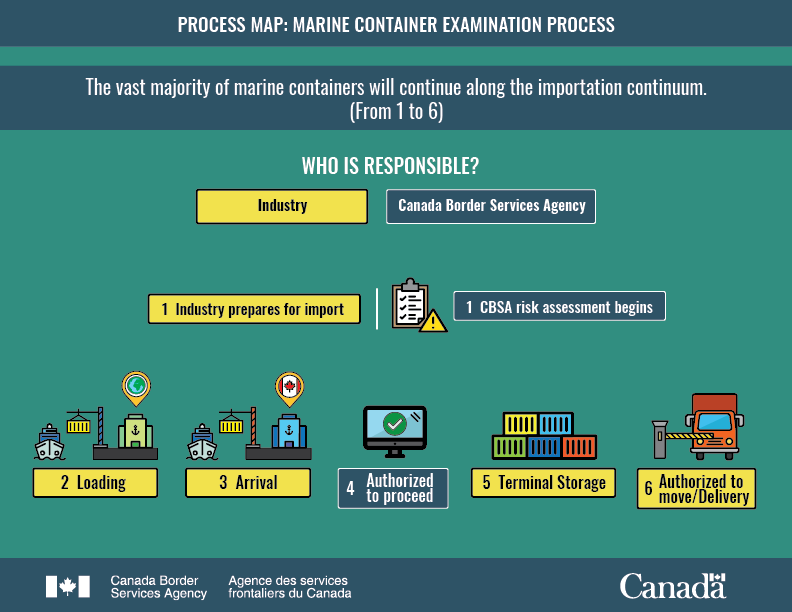
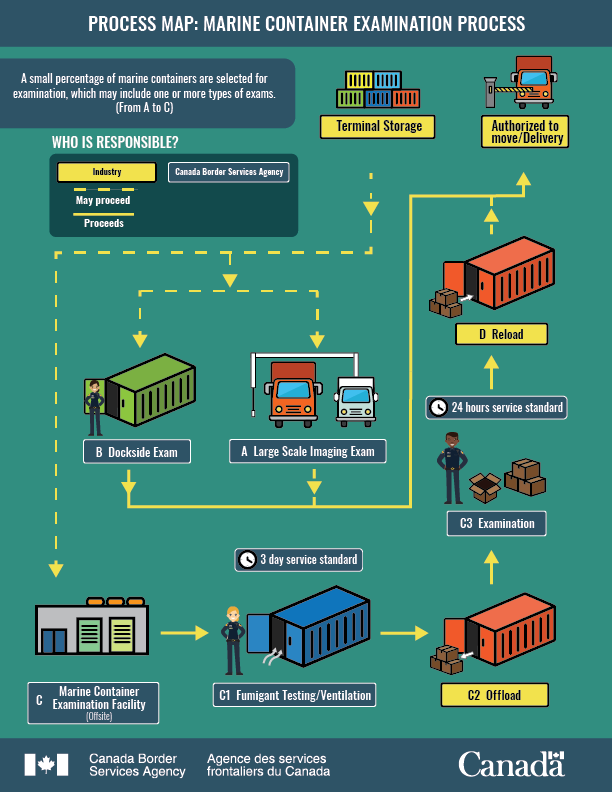
Tidewater, the facility operator at the TCEF, will generate the fees for presenting the goods for examination, to cover the cost of transportation to and from the examination facility, and for unloading and reloading the container. Tidewater will then bill the shipping line for these costs who will pass the cost to the importer.
The Issues And Solutions Of Container Exams At The Port Of Vancouver
Stakeholder Recommendations To Improve Ocean Trade
Recommendations for improvements for Ocean Trade were made at a September 2017 stakeholder conference. The main thread with the recommendations made were to improve the communication between all stakeholders regarding delays, service hours, and service standards.
- Shipping lines, terminal operators and warehouse operators are required to post standard fees associated with the movement and facilitation of freight through the marine process.
- Terminal operators need to improve the reservation system for pick up and return of CBSA examined or targeted containers.
- CBSA needs to provide proof of examination, LSI exam and ventilation timelines to stakeholders.
- There needs to be a transparent dispute resolution between all stakeholders.
- Use of technology for real-time status and progress of the exam providing importers and their service providers- insight to better plan and mitigate impacts of the exam to their business and supply chains.
- Importers need the flexibility and the option to deliver direct from the exam site.
- CBSA needs to identify opportunities to improve efficiencies and consistencies with their targeting and examination of container freight. A clear focus on the client is necessary which is transparent with defined and measurable service standards.
The hope is, with the opening of the TCEF, all of the above recommendations from the stakeholders meeting will be put into effect. As of now all the trade community can do is wait and see.
A Beginners Guide To Ocean Freight Container Shipping

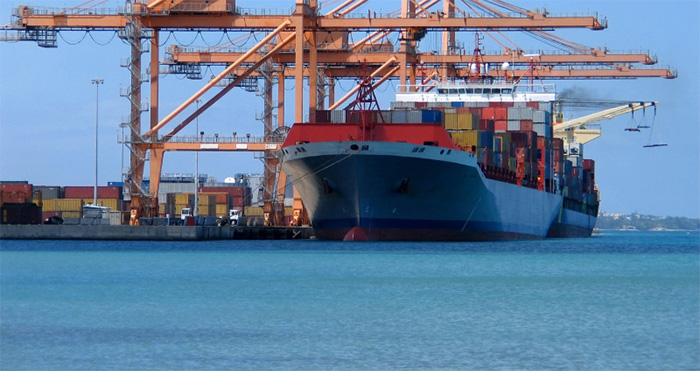
You have just cleared your first ocean shipment into the United States, the process went smoothly and you are expecting to import more product into the …
Read MoreYou have just cleared your first ocean shipment into the U.S., the process went smoothly and you are expecting to import more product into the U.S. from overseas; your business plan is coming together.
Upon receipt of your first invoice from your U.S. Customs Broker you notice an additional charge that does not equal the original expenses you had expected. When you phone your broker they explain every ocean shipment into the U.S. is subject to a Harbor Maintenance Fee (HMF). Thankfully, your first shipment was small and your Harbor Maintenance Fee was low.
7 Steps To Ocean Importing | Part 1
What Can You Expect For Future Shipments?
U.S. Customs and Border Protection (CBP) has been collecting the Harbor Maintenance Fee for years. HMF was mandated by the Water Resource Development Act of 1986. It has been in effect since April of 1987. As of March 31, 1998, it is no longer collected on exports. The fees that are collected are used for the improvement and maintenance of ports and harbors. You can obtain a list of harbor maintenance fee ports on the CBP website.
The Importer of Record is liable for paying the Harbor Maintenance Fees and is paid when the entry summary is filed by your customs broker.
How To Calculate Harbor Maintenance Fees?
The easiest way to calculate the amount of HMF you will be charged on your imports into U.S. is to follow this formula:
- HMF is calculated at 0.125 percent of the entered value of the imported cargo. On a $10,000 shipment your HMF would be $12.50
7 Steps To Ocean Importing | Part 2
A Couple Additional Things To Remember
- Unlike Merchandise Processing Fee (MPF), HMF does not have a minimum or maximum charge
- HMF is applicable on all imports regardless of any special trade programs that your goods may qualify
Contact Pacific Customs Brokers to learn if HMF is applicable to your imports.
Merchandise Processing Fee (MPF) Explained


While summer may be the time to think about the lake or camping, as a highway carrier hauling goods into Canada you cannot afford to ignore the looming …
Read MoreWhile summer may be the time to think about the lake or camping, as a highway carrier hauling goods into Canada you cannot afford to ignore the looming deadline for full compliance with ACI eManifest. We are only one day away from the July 10 implementation date and according to CBSA, 90% of those carriers who have a carrier code have filed at least one ACI. Pacific Highway reports that between 75% and 80% of the carriers clearing at this port are filing ACI. Carriers who have been arriving at the border without filing ACI, have been given the following notice.
Beginning July 10, 2015, the next phase of the ACI eManifest implementation timeline comes into effect. Carriers who do not comply with ACI eManifest requirements may be issued zero-rated penalties (non-monetary) under the CBSA's Administrative Monetary Penalty System (AMPS).
What Does "Zero-Rated" AMPS Penalty Mean?
While no financial penalty will be levied during this phase, a zero-rated AMPS penalty is technically a penalty and will serve as a warning to carriers to correct the issue that led to the infraction.
This period of zero-rated AMPS is to give the industry an opportunity to make the necessary corrections to procedures and preventative mechanisms to ensure reduced risk of exposure to AMPS penalties. The zero-rated AMPS period will last for six months, after which, full AMPS will apply, including monetary fines.
Update: CBSA intends to increase ACI compliance through a spectrum of intervention, ranging from client outreach via monitoring, client action plans, application of penalties and ultimately suspension of carrier codes in the most serious cases. The first six month zero penalty phase from July 10, 2015 to January 10, 2016 will concentrate on client outreach and monitoring of client progression.
Hefty AMPS Penalties For ACI eManifest Non-Compliance
What Carriers Need To Do:
So, before you head off to the cottage or hit the beach, ensure you are eManifest ready. Do not let the non-financial penalty give you a sense of false preparedness and affect your performance record with CBSA.
Carriers who have already registered can surely take some downtime. Despite your preparedness, this is no time to rest on your laurels, instead communicate with partner carriers to ensure they are also compliant.
Carriers who have not yet registered are advised to do so immediately and may contact Pacific Customs Brokers for help with this process. Border Pro for Carriers can take the hassle of getting registered off of your plate with our self and full service eManifest filing options.
A Good First Step To Understanding eManifest:
Our ACI eManifest Seminars and Webinars are 90-minute sessions where we answer questions, offer practical solutions and help with the ACI eManifest regulations in effect.
Presented by Jan Brock, recently retired Chief of Operations with Canada Border Services Agency for the Pacific Highway and Abbotsford Huntingdon Commercial Operations. Jan is now a Senior Trade Advisor with Pacific Customs Brokers (CAN). For details and to register »
If you have any questions about ACI eManifest, please do not hesitate to contact our Carrier Relations Liaison at 855.542.6644 or via email at [email protected].
5 Frequently Asked Questions About ACI eManifest | Part 3

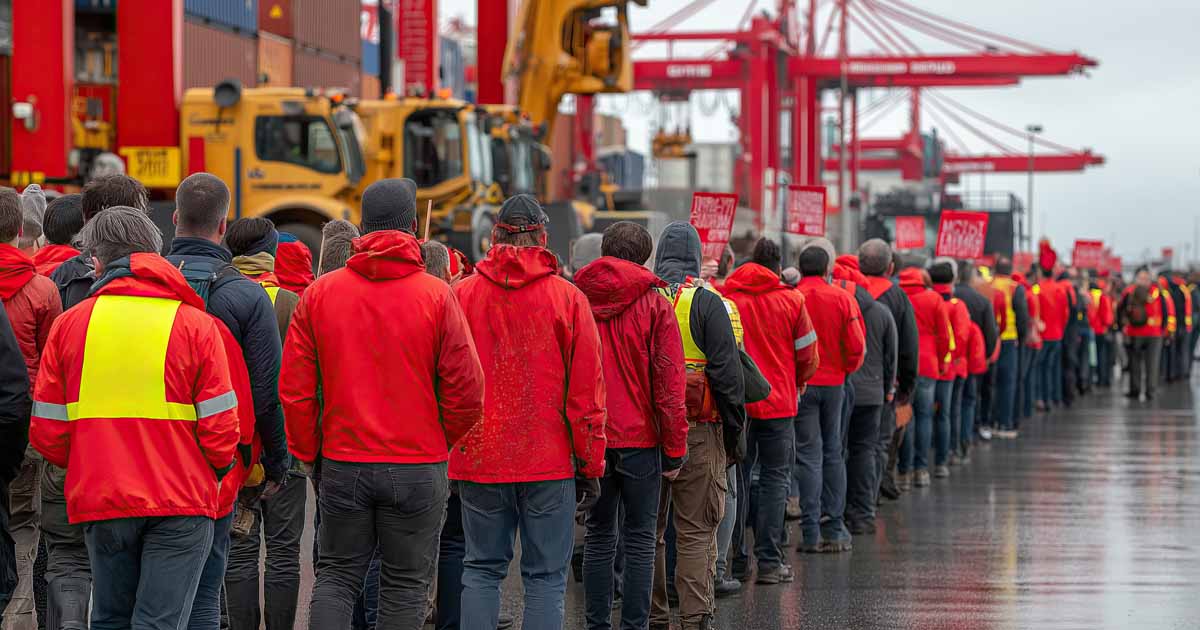
There is simply no denying that this year has been a fractious one when it comes to labor action in Canada. In 2024, over six major strikes, lockouts, negotiations, and disputes across the country have left importers struggling to find logistical solutions.
Read MoreThere is simply no denying that this year has been a fractious one when it comes to labor action in Canada. In 2024, over six major strikes, lockouts, negotiations, and disputes across the country have left importers struggling to find logistical solutions.
At times, it felt that just as one labor dispute was winding down, another one was just starting up, and one might be tempted to think that after a year of labor action in the supply chain, it must finally be slowing down and we will only be left with the usual holiday rush. To that, it is worth pointing out that, at the time of writing, the Port of Vancouver has just entered the first days of an indeterminately long lock-out, so if the currently unfolding present is any indicator of the future, this pattern seems poised to continue.
With labor action across the country still going strong, it’s worth sharpening your knowledge about how these kinds of events can affect imports and exports, as well as the importance of a solid logistics plan for when these disruptions occur. After all, it’s a supply chain, and knowing how to be prepared when it shakes can be the difference between a slight stumble and a fall.
How does a Strike Affect the Supply Chain?
The most important thing to understand when discussing a strike or any other supply chain disruption is that these events do not occur in a vacuum, and a disruption in one link is inevitably going to have an effect on the others. Continuing with the ongoing effects of the port strike, it may be tempting to think that the only role the ports play in the supply chain is the delay of ocean freight shipments, but that couldn’t be further from the truth. They are nexus points for overland transportation, including trains and trucks, so when one shuts down, the impact is felt in a wide range of places.
For example, the first thing businesses are going to try to do when the port shuts down is to find other nearby ports; when they do, those ports will quickly become nearly as overfull and over-taxed as the shutdown port and, in turn, the regular rail and carrier freight services that normally are spread across two ports are forced to converge on one, often on irregular routes, increasing their demand.
There’s not a lot that can be done about this as a business, but understanding that in the world of logistics, nothing is just what it is can be important for future planning. In our ongoing example, overseas shipments are going to be backlogged, but there’s a good chance that the same is true of trucks and trains, and we need to plan accordingly.
Umbrellas in a Hurricane
Another tempting thought to have is that disruptions at the port won’t affect your business at all due to the nature of your business or distance from the source of that disruption. After all, not all operating businesses in Canada are importers - many different organizations are far removed from the labor actions at the port or the rail yard. But, what you must remain aware of is that the screws that are used in whatever product you make locally could very easily be manufactured overseas, and while you may not see the immediate complications posed by the current action, the manufacturer of your goods might, which could cause significant challenges for you in the long run. Supply chain complications of this kind can have far-reaching effects, and staying abreast of them, even when it doesn’t seem like it’s going to involve you, is vital.
Even for small businesses, these challenges can be exponentially more damaging as larger companies can spend capital to remain flexible in the face of these changes, even potentially commanding different transport types altogether to avoid the port. The price for variable forms of transportation can go up significantly in moments like this, and small businesses could find themselves boxed out of options.
The point here is that supply chain strikes can affect businesses in surprising ways, and diligence is due even if you think that you might be out of range of its worse effects.
What Can You Do?
The country’s logistics network and the businesses it serves are interconnected in ways that are often unexpected in their breadth and depth, but that’s not always bad news in situations like this. A shipping container that is at the bottom of a stack at the port right now might be stuck for the next month, but businesses that plan ahead and keep their eyes on the news as it develops - maybe by keeping an eye on our Trade News Updates - can have a host of options available to them, if they know where to look.
Here are a few tactics you can employ to help endure the situation better.
1. Work with your Freight Manager.
- With the help of a skilled freight forwarder, like the one waiting to help you at PCB Freight Management, you can find ways to move forward and solutions for future problems. Even sourcing alternative options like switching to air freight is a valid possibility that can be facilitated through the skills and network of a trained freight manager.
As a word of warning, there is not always much that can be done about the situation at the ports, but when it comes to finding transportation solutions to help you move through this in the best possible shape, a freight forwarder will be your best bet to adapt, adjust, and even thrive in less than ideal circumstances.
2. Work Proactively
- There are two areas where a proactive approach will serve you well. The first way is by helping you contending with goods shipping in the near future. Finding alternative routes and solutions for future shipments while doing what you can to manage the ones already at the ports or railyards is the largest challenge associated with this kind of complication. There may not be much you can do for metaphorical and often literal ships already in the water, but working to find an alternative for future shipments will keep your goods moving relatively unscathed.
The second area where a proactive approach can pay off is to maintain awareness that this kind of lockout can happen at any time. Building and then taking advantage of an adaptable and robust supply chain, with the help of a freight forwarder, can leave you in a great position when supply chain workers decide to hit the picket line.
3. Have Patience.
- With our example of the ongoing BC port strike, the reality is that it could go on for quite some time, and even if it doesn’t last, when it comes to your livelihood, any amount of time might feel like an eternity. Any disruption has the capacity to become a complicated and frustrating time in Canadian business, and nothing less than the keen understanding that everyone involved is doing the best they can will get you through it in one piece.
This is not the first or last time this will happen, and patience and understanding will be your greatest allies in the weeks to come. Understand that we are all, in some cases literally, now in the same boat.
With these steps, you’ll be in good shape to weather any supply chain disruption that might come your way. For more information about how you can best contend with currently ongoing labor action or get a plan in place for when the next lockout or walkout begins, contact PCB Freight Management today. We can help you stay agile no matter what the news of the day has in store for it.

The question you have been researching online is how to efficiently and effectively transport small ground shipments without breaking the bank. In your research, you've come across two terms: Full Truckload (FTL) and Less-Than-Truckload (LTL). But what is the difference? That's the emphasis of today's blog post; we will explain the various truckload shipping options, particularly less-than-truckload (LTL) shipping, along with the benefits and differences between LTL and FTL, in addition to the requirements for LTL shipping.
Read MoreYou own a small boutique in Canada specializing in the manufacturing and selling of vintage-inspired shoes. Although your brand has yet to become globally recognized, you take all the necessary steps to get there one day. One of those steps is growing your business by expanding into new markets. To accomplish this, you will need transportation to warehouses or delivery destinations. The question you have been researching online is how to efficiently and effectively transport small ground shipments without breaking the bank. In your research, you've come across two terms: Full Truckload (FTL) and Less-Than-Truckload (LTL). But what is the difference? That's the emphasis of today's blog post; we will explain the various truckload shipping options, particularly less-than-truckload (LTL) shipping, along with the benefits and differences between LTL and FTL, in addition to the requirements for LTL shipping.
Truckload Shipping
How Does LTL Shipping Work?
Less-than-truckload (LTL) shipping refers to combining multiple LTL shipments onto one trailer to create one full trailer. This trailer is then delivered to a central hub/terminal and unloaded.
Smaller delivery trucks will then make all the deliveries. In these instances, companies would share trailer space with unrelated companies, going to similar or the same destinations.
LTL load dimensions and weight play a role in determining the rate, as do the loading and unloading requirements, special services, and delivery locations.
Everything we have in our home has one way or another, been transported via LTL or Full truckload shipping (FTL).
A Shippers Guide To Trailer Types
Less-than-truckload shipping, according to IBISWorld, is worth $104.8 billion in 2023 and is expected to increase by 1.3 percent in the US over the year. However, they further highlight that the LTL market size in Canada is $14.1 billion and is expected to increase by 2.6 percent in 2023.
According to IBISWorld insights, Canada's trade accounts for a significant portion of its economy, and most of this prosperous trade is being transported by trucks. The same can be said for the US as their total trade value increases, requiring more goods to be transported.
What Is Full Truckload Shipping (FTL)?
Companies that can fill an entire truckload with goods use this type of transport. This means that the trucks transporting goods via ground shipment will only be filling the trailer space with one company's load, not multiple, unlike LTL freight shipping. Companies seeking FTL shipping must pay the total truckload rate, regardless of whether the trailer is at full capacity. To make it cost-effective, they should have enough freight to fill the trailer.
What Is The Difference Between A Full Truckload And A Less-Than-Truckload?
In simple terms, the difference between FTL and LTL would be the number of pallets or the size of the load transported. Suppose a trailer has enough cargo space for fifty pallets of shoes; the FTL represents all fifty pallets filling up the entire area, whereas LTL would only fill up a portion of that space.
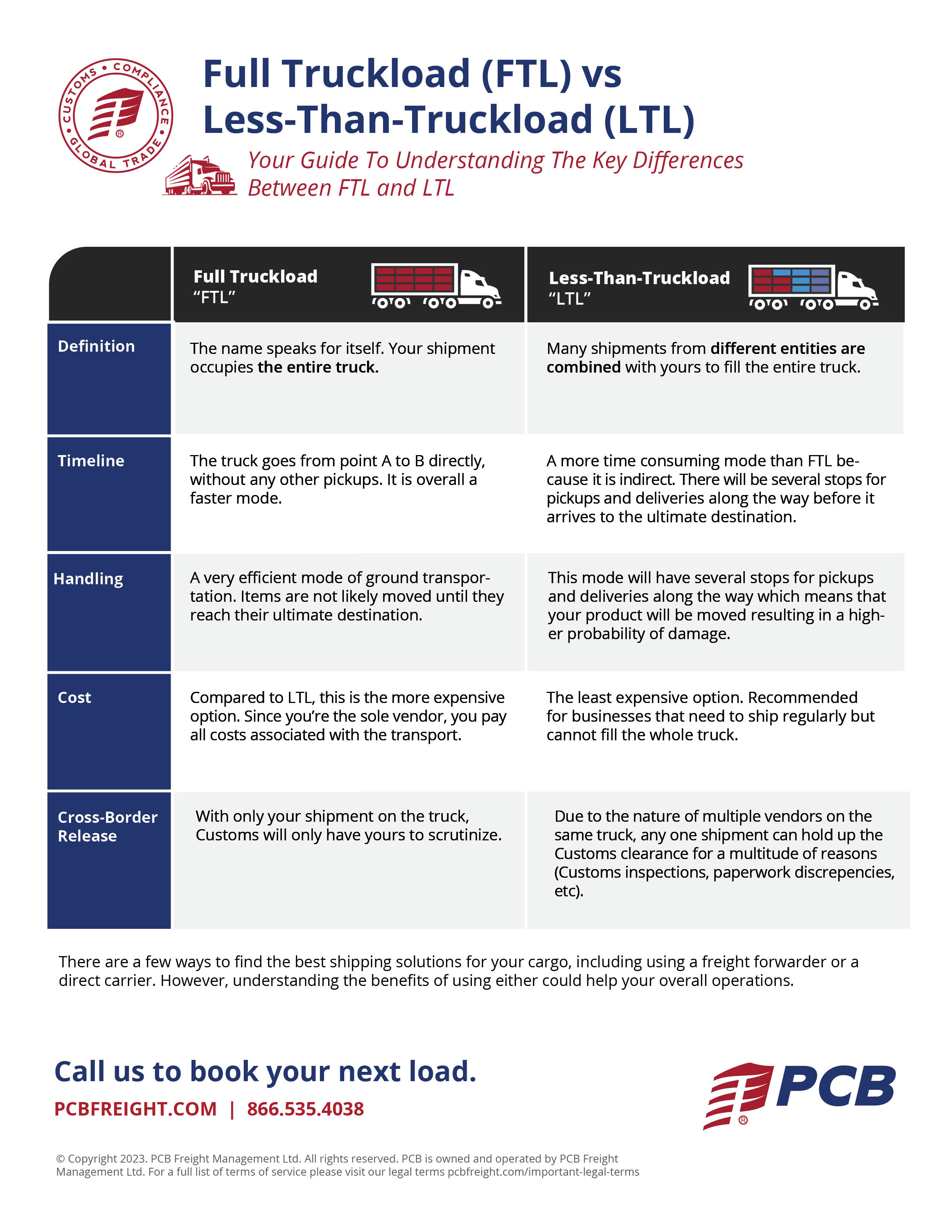
For example, five skids, each 40" long, 48" wide, and 96" high, would take up 10' of the trailer and move as LTL for the best pricing. Your freight manager knows how to obtain the best price for you.
The Benefits Of LTL Shipping
LTL shipping provides the following benefits to companies with less than a full load to ship.
LTL Shipping Can Save Your Small Business Money
Transporting small loads can be cost-effective. With LTL transport, you only pay for what you get, which means only paying for the space your shipment occupies.
It Is Beneficial To The Environment
The International Trade Administration (ITA) stated that supply chains should be strong, resilient, and sustainable. This means that each process in the supply chain, from procurement of sustainable raw materials to low-emission delivery of products, can be assessed to mitigate its environmental impacts. LTL shipments impact the environment less as the trucks' trailer space used to transport goods is shared by other companies. If LTL shipping were not an option, small businesses would waste money and resources using FTL shipping for each of their small shipments.
Know Where Your LTL Shipments Are
One of the best benefits is increased visibility, as most LTL carriers provide companies with tracking tools that allow them to see the movements of their shipments in real-time.
The Best Practices For LTL Shipping
Regardless of the shipping size of your cargo, when shipping LTL and FTL freight, there are a few things a company should consider. The following are the best practices for small businesses and their LTL shipping.
What You Need In A Freight Manager
Know Your LTL Freight Dimensions
For carriers and freight forwarders to determine the costs of your LTL shipment, they would need to know the exact dimensions and weight of your cargo to best allocate the trailer. They would know whether to use a common carrier or a contract carrier. Providing accurate information to your LTL carrier providers will eliminate misunderstandings that could cause shipment delays or extra charges.
Determine How Many Times The LTL Shipment Will Be Loaded And Unloaded
LTL carriers provide estimated times for delivery, not exact times of arrival. Always allow ample time for your LTL shipments to arrive, as there could be delays due to external factors out of your control.
LTL shipments can be moved around often. Whether offloading at a warehouse, a delivery destination, or moving to another trailer, your goods could be damaged in the process. Small businesses must be aware of their shipment's movement, offload, and loading. Shippers are responsible for packaging their shipments to withstand the rigors of transportation. Carriers will refuse to pick up poorly packaged/crated/skidded freight.
Know Your Carriers
There are a few ways to find the best shipping solutions for your cargo, including using a freight forwarder or a direct carrier. However, understanding the benefits of using either could help your overall operations.
A freight forwarder is in a good position as they have access to an extensive network of carriers. Freight forwarders with long-standing relationships with vetted carriers have many benefits, including reliability, safe practices, established communications channels, and claims history. Freight professionals care a great deal about the safety and have the benefit of knowing a carrier's history and track record, which gives way to better outcomes for your small business.
Compared to asset-based carriers, freight forwarders are not limited to the trucks they have available. Instead, they have an unlimited number of carriers they can work with to assemble your freight in combination with other clients.
A company can contact a freight forwarder or a carrier directly to transport their goods via ground transportation. However, when using a freight forwarder, they can provide you with various options of carriers that can transport the load. In other words, they research to find the best space for your small shipments and act as a middleman between the client and their vast carrier network.
Get professional assistance in the movements of your LTL or FTL shipments from freight management experts that can help you move your goods on the ground and across borders.
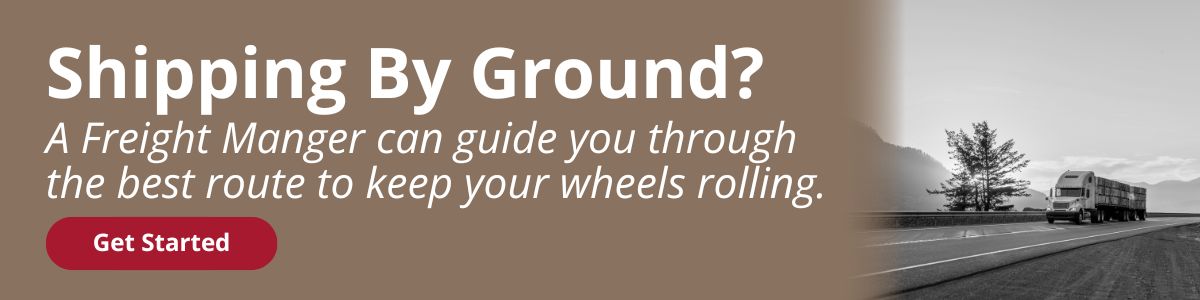
As of June 17th, 2019, the Canada Border Services Agency (CBSA) Tsawwassen Container Examination Facility (TCEF) is now open.
Read MoreAs of June 17th, 2019, the Canada Border Services Agency (CBSA) Tsawwassen Container Examination Facility (TCEF) is now open. Historically, the most vital marine port in all of Canada is the Vancouver port, accounting for 57% of the marine containers entering into Canada each year.
With a growing majority of Canada’s goods entering into the marine ports of Vancouver each year, the marine ports of Vancouver have struggled. “The CBSA risk assesses 100% of all marine containers in order to identify potentially high-risk shipments. The vast majority of marine container shipments are processed and authorized by the CBSA to enter Canada without delay. However, a small percentage of containers are selected by the CBSA for examination. Now with the TCEF they will have the opportunity to take advantage of state-of-the-art technology to facilitate the examination process.”
The Facility's Focus
The focus of the new facility is to increase the capacity for potential examinations arriving to the marine ports of Vancouver. This will allow for improved security on goods shipped into Canada via Vancouver’s marine ports.
The Benefits Of The New Facility
The new facility will allow CBSA officers to conduct complete offload examinations of marine containers. It will also serve as a general purpose warehouse facility for incoming goods that may not have a home when they arrive at the port.
One of the great benefits from the new facility is the focus on efficiency. This, in theory, will allow for the supply chain of goods flowing into Canada to enter into the Canadian market faster. Less time for people waiting for brand new, top of the line goods, entering into Canada.
CBSA is looking to provide smart, secure and efficient borders. The TCEF will help them identify security risks, as well as, address previous gaps in security. The new facility also brings along new technology, so CBSA officers can spend more time completing risk-based compliance to identify and scrutinize cargo with unknown-risks.
Another ancillary benefit of the TCEF is the increase in business coming to the city of Tsawwassen, BC. Now many businesses and companies are targeting the location to improve their supply chain. With facilities in close proximity to the new TCEF companies will be able to take advantage of the additional benefits of being near their arriving goods.
All of the above changes align with the Canadian Government’s vision of working closer with stakeholders, expediting legal cargo and providing Canadian businesses with a competitive advantage.
Pacific Customs Brokers & PCB Freight Management
If you want a competitive advantage for your business than look no further than Pacific Customs Brokers and PCB Freight Management. Whether you are importing goods into the U.S. or Canada, or shipping freight worldwide, your answers are here. Contact us for a quote on any of our services, speak with a Trade Advisor on what you can do to take advantage of the world of trade, or watch one of our online courses on-demand in the PCB Learning Center.
Additional Reading | TCEF Fact Sheet | The Marine Container Examination Process | About The TCEF Project |


A Bill Of Lading (BOL) is a legal document between the shipper of particular goods and the carrier detailing the type, quantity, date of direct shipment and destination of the goods being carried.
Read MoreWhat Is A Bill Of Lading?
A Bill Of Lading (BOL) is a legal document between the shipper of particular goods and the carrier detailing the type, quantity, date of direct shipment and destination of the goods being carried. The Bill of Lading also serves as a receipt of shipment when the goods are delivered to the predetermined destination. This document must accompany the shipped goods, no matter the form of transportation, and must be signed by an authorized representative from the carrier, shipper and receiver. The carrier or the shipper can complete it, but the driver of the transport company is to sign and date it once the goods are on-board.
Importance Of A Bill Of Lading | Part 2
What Does Customs Look For On A Bill Of Lading?
The Canada Border Services Agency (CBSA) requires to know:
- The number of pieces
- Total weight, and
- Date of direct shipment for each shipment on board
The number of pieces, total weight and date of direct shipment is a requirement for the declaration made by the Importer of Record/Customs Broker. It is highly recommended that you provide a copy of the Bill of Lading to the Importer of Record/Customs Broker so that the information can be confirmed against the corresponding invoice(s) being declared. If it is not provided to the Customs Broker, the carrier must still advise by other means, the number of pieces, total weight and date of direct shipment.
A carrier must always make the Bill of Lading available to a CBSA officer in the event it is requested.


Almost 20 years ago IBM coined the phrase transparent pipeline. Back then, the de rigueur was ecommerce, portals and electronic data interchange (EDI).
Read MoreSupply Chain Visibility Promises
Almost 20 years ago, a tech company coined the phrase transparent pipeline. Back then, the de rigueur was eCommerce, portals and electronic data interchange (EDI). These great leaps in technology would allow shippers to view their purchase orders at any and all points in the transportation cycle. Having full transparency, we were told, would allow for better supply chain planning, and most of all, full visibility. Whether needed or not, shippers would now get daily updates of purchase orders from anywhere in the world.
No more guessing whether a critical shipment of school supplies would make it in time from Hong Kong for an advertised sale. No surprises that the critical parts from Japan didn’t make it to the plant in time to continue production. No sir. Any importer would be able to determine if the shipment was running late, and pull inventory from other stock to make the sale, or at the very least inform their client. All without picking up the phone. Nope. The information would be pushed out daily, automatically, and seamlessly. Cargo tracking calls to carriers and forwarders alike would be cut in half. Keep in mind, we were told half of all calls were to trace cargo!
Supply Chain Visibility Reality
The reality of course was much different. Ecommerce was hit and miss with track and trace. The feed for eCommerce directly from a carrier’s core system relied on EDI. EDI was a disaster in those early days. Failed EDI transactions on some days ran over 90%. Smaller vendors didn’t even offer EDI to carriers. Some countries didn’t have the technological capacity to implement EDI with terminals or inland yards. Most people went back to tracking the old way - picking up the phone. And the transparent pipeline was dead.
In the interim, EDI improved. Carrier data became much more accurate, particularly due to process improvements necessary around 24 hour reporting rules that many countries implemented in reaction to 9/11 and growing terrorist threats. Still, in order to track shipments, importers would have to go to one of several websites or platforms depending on the mode and carrier. There was no ‘one landing page of truth’. Again the promise of the transparent pipeline, although hopeful, was not near the original vision.
State Of Today’s Supply Chain Visibility
That is until now. In the past few years, technology has become so sophisticated any shipper or importer can track any shipment worldwide. What can they track? Location, temperature, humidity, lumens (depending on whether anyone opened the box or container), shock, acceleration. Thanks to the Internet of Things (IoT), tracking can be set from every 15 minutes to every 12 hours. Alerts can be tied to WIFI or GPS systems.
High value and perishable cargo is now able to have independent tracking data which is owned by the cargo interests and not the carriers. Cargo owners are able to keep track of their shipments and feed the data directly into their ERP systems. No more relying on carriers to get information. No more phone calls and emails. No more frustration.
Learn More
To learn more contact the trusted experts at Pacific Customs Brokers and PCB Freight Management so you can ship with confidence.
Importers like you are frustrated with the lengthy delays and subsequent costs of Canada Border Services Agency (CBSA) container exams in Vancouver...
Read MoreImporters like you are frustrated with the lengthy delays and subsequent costs of Canada Border Services Agency (CBSA) container exams moving through Canadian Ports, especially in the Port of Vancouver. Let's take a closer look at the cause, reasons for extended delays, and the associated fees with the current CBSA Vancouver container exam program.
Why The Trade Community Is Frustrated With Container Exams In Vancouver
According to the Canadian International Freight Forwarders Association (CIFFA) and the container examination cost survey they conducted, delays of up to four weeks were experienced in the Port of Vancouver compared to three to five days in the Port of Montreal. Their blog post entitled "Container Examinations Out of Control" reported that their members have experienced the following with the current container exam process at the Port of Vancouver:
- Six to seven week delays in receiving their goods
- Thousands of dollars in unexpected costs for container exams, storage, detention, per diem and demurrage charges
- Lost sales as a result of the delays
- Lost goods in the case of perishables
CIFFA estimates that invoices for examination, demurrage, and storage of containers can range up to $4,000 per container. Those fees add up to millions of dollars, which are inevitably passed on to the consumer.
CIFFA argues that there is no incentive to improve inspection efficiency because container terminal operators charge daily per container storage fees of $150 or more, and shipping lines bill shippers and freight forwarders for demurrage.
Importers bear all the direct costs incurred for the exams. Importers are also responsible for all indirect costs resulting from exams such as damages or losses during the exam, lost sales, production and/or contract penalties due to delivery delays. Another cause of frustration is the unnecessary confusion an importer is faced with when the demurrage, detention, and per diem terms are often and incorrectly used interchangeably on invoices.
Tip: Always clarify in advance what shipping delay charges you face.
Why Is The Container Exam Process Longer At The Port Of Vancouver?
The two main factors in the delays are the location of the exam facility and the volume of containers at the Port of Vancouver.
It is important to understand CBSA and the transportation industry agreed the best option for examining marine cargo containers for contraband was to use a specialized central examination facility. With this centralized facility, CBSA officers can conduct efficient examinations using high tech equipment in a secure environment. The current inspection facility for the Ports of Vancouver is located in Burnaby, a fair distance away from the ports.
More than 80% of global merchandise is transported across oceans as marine cargo, and over 95% of marine cargo imported into Canada comes through five major marine ports:
- Vancouver
- Prince Rupert
- Montreal
- Saint John
- Halifax
The three largest Canadian container ports are the Port of Vancouver, Prince Rupert and Montreal. Together, they handled five million, twenty-foot equivalent units (TEU) in 2016. Around 50% of this freight comes through the Vancouver and Prince Rupert ports. The Port of Vancouver consists of 4 container terminals with an annual capacity of just under three million TEUs per year. The volume clearly shows the one CEF/MCEF in Burnaby is busy.
Who Is Responsible For The Container Exam Delays In Vancouver?
The delays experienced in Vancouver are further compounded by an already lengthy process. To gain an understanding of where issues lie we need to take a quick look at the stakeholders and their general responsibilities and possible contribution to the issue.
The Current Container Examination Process
Regardless of the Port, the container exam steps are the same as detailed below.
- The marine carrier reports to CBSA with information on the vessel, the crew and the routing via Electronic Data Interchange (EDI) at least 96 hours prior to arrival.
- The marine carrier sends cargo data via EDI to CBSA 24 hours prior to loading the cargo onto the vessel at the foreign port.
- Using the marine carrier's information, CBSA performs a risk assessment at the CBSA National Targeting Centre in Ottawa.
- At the first Port of Arrival (POA) the vessel arrives and the containers are discharged, put through a radiation portal, and then stacked at the Terminal storage.
- Containers that are targeted or selected by CBSA for examination are staged for dockside exam, Mobile Large Scale Imaging or for furtherance to Container Examination Facilities (CEF) or Marine Container Examination Facilities (MCEF) for an intrusive examination.
- The containers, which require de-stuffing, are transported to the CEF/MCEF for fumigant testing, possible ventilation, assignment to an examination bay and offloaded and reloaded following an examination.
- Containers are authorized to move by CBSA from the CEF/MCEF back to the Terminal and released for transport to the Importer/Consignee.
CBSA Roles And Responsibilities
CBSA targets 1.3% of all containers for examination as it views containerized cargo as a huge risk. Physical exams are done with the assistance of the Canada Port Authorities. They are legislated to provide facilities for CBSA inspection. These facilities are known as Container Examination Facilities (CEF) and Marine Container Examination Facilities (MCEF).
CBSA has a number of methods to examine Containers:
Container Examination Facilities (CEF) and Marine Container Examination Facilities (MCEF): Containers are moved from the marine port to the CEF or MCEF where they are fully de-stuffed, the contents intrusively examined, followed by an examination of the container itself. CBSA has a service standard for examination, which states that CBSA will strive to conduct a marine container examination within 24 hours of the arrival of the container at the CEF or MCEF. This service standard does not include weekends or holidays. Additional time is required for fumigant testing and ventilation procedures in addition to container reloading times and containers that are resultant for contraband.
Note on fumigation: The CBSA requires testing of all marine containers for fumigants before examination. Fumigants include methyl bromide, phosphine and benzene. Fumigant testing identifies chemical levels prior to the execution of an in-depth examination. Chemical levels found to be above acceptable levels require that the container be ventilated in order to reduce the elevated chemical levels to a safe level. The maximum time that may be required to ventilate is three days. Once the contents and container can be safely examined, the container is de-stuffed, examined, and then reloaded and returned to the port.
Large Scale Imaging (LSI) Examinations: LSI examinations are non-intrusive, dockside x-ray examinations of containers, enabling the CBSA officer to see inside the container. Anomalies deep within a container, such as contraband, can be detected, depending on the commodities density. A LSI examination can also assist in determining whether an intrusive examination is needed, and is especially useful in selective examinations.
Pier Examinations: This dockside examination is partially intrusive and involves the CBSA officer opening the container doors to perform visual inspections and a limited physical examination of the cargo closest to the door. The inspection may result in referral for an intrusive examination conducted at the container examination facility.
The CBSA is responsible only for the costs associated with their services, such as the officers examining the container and the equipment and tools required for marine container examinations. They do not bill the importer for these costs.
Goods found violating Canadian legislation may be subject to enforcement action such as a monetary penalty or seizure.
CEF/MCEF Warehouse Operators Roles And Responsibilities
CBSA informs the Warehouse Operator of the containers requiring exam and works with CBSA on priorities. The Warehouse Operator coordinates with the Highway Carriers to move the containers from the Terminal to the CEF/MCEF. They then coordinate and are responsible for the offloading and reloading of containers for presentation of cargo for exam. The warehouse operator is responsible for all truck movements at the CEF/MCEF such as moves to and from the ventilation area and examination bays.
The CEF Warehouse Operator generates the fees for presenting the goods for exam, to cover the cost of transportation to and from the examination facility and the unloading and reloading of the container. They then bill these costs to the shipping lines that in turn pass the cost on to the importer.
Marine Carriers Roles And Responsibilities
The marine carrier is responsible to present the cargo for examination when requested by CBSA.
If CBSA requests a full container exam the marine carrier is responsible to:
- Ensure the container is picked up from the terminal and transported to the CEF/MCEF
- Monitor the pick-up of the container and the subsequent return of the container to the terminal after examination
- Field any calls from the importer regarding any delays on their shipment
They must obtain any terminal charges for a dockside/tailgate and LSI exam completed at the Terminal. If the CBSA container hold is removed after an exam the carrier then invoices the importer for the costs incurred at the Terminal. Once the importer pays the costs to the marine carrier the container will be released to the importer.
Marine Terminal Operators Roles And Responsibilities
After the Terminal Operator receives EDI data regarding the vessel and the cargo from the marine carrier they will:
- 'Arrive' the cargo electronically to CBSA when the vessel arrives
- Discharges the cargo from the vessel to the shipyard
- Arranges for on-dock and off-dock examinations as requested by the CBSA
- Permits containers to depart the terminal when released by the marine carrier and CBSA
Importer Roles And Responsibilities
The Importer orders goods for import and then organizes logistics or depends on third party links in the supply chain to facilitate the movement and subsequent entry of the import into Canada.
Customs Brokers And Freight Forwarders Roles And Responsibilities
Customs Brokers and/or Freight Forwarders directly represent Importers in the coordination or facilitation of the exam processes with the Terminal Operators, the Marine Carriers, Drayage Carriers and CBSA.
The Customs Broker and/or Freight Forwarders may be involved in the logistics and may pay charges on behalf of the importer as their client. The Customs Broker and/or Freight Forwarder is generally aware that a hold has been placed on an Importer's shipment for examination by CBSA. Although not a responsibility, the Customs Broker and/or Freight Forwarder generally fields calls from the Importer regarding the status of the delays in the release of the container.
Canadian Customs Brokerage Services
U.S. Customs Brokerage Services
Freight Forwarding Services
Highway Carriers Roles And Responsibilities
The Terminal Operator informs the Highway Carrier which containers need to be examined by CBSA. The Highway Carrier then makes a reservation for pick-up of the container at the Terminal with the Terminal Operator.
Reservations sometimes have to be made about three days in advance. The Highway Carrier then has a one-hour window around their reservation time to pick up the container at the Terminal and transport it to the CEF/MCEF for CBSA examination.
Once the examination is complete, the Highway Carrier returns the container to the Terminal. The container is then released by CBSA and can now be delivered to the Importer/Consignee by the Highway Carrier or the Drayage Company once a reservation has been made to pick the container up from the Terminal.
Stakeholder Summary
As each stakeholder carries out their responsibility, it results in more opportunities for delays. These can quickly add up to become lengthy delays.
Many of the stakeholders state there needs to be improved transparency and efficiency in the inspection process by ALL parties. CIFFA urges CBSA to address both the pricing model and the regulatory framework of the shipping lines, terminal operators, and warehouse operators surrounding container examinations across the country.
CBSA's Action To Improve Ocean Trade
The CBSA has made a commitment in their 2017/18 departmental plan "to work with industry partners and the Port Authority in Vancouver to advance the Marine Container Examination Facility (MCEF) project over the course of the year. The opening of a new MCEF will increase the Agency's examination capacity and enhance the facilitation of legitimate trade."
The CBSA held a one-day conference with all stakeholders in Vancouver in September of 2017. The conference identified a number of opportunities for improvement. Some areas of improvement included the communication between all stakeholders regarding delays, service hours, and service standards including:
- Shipping lines, Terminal Operators and Warehouse Operators must post standard fees associated with the movement and facilitation of freight through the marine process.
- Terminal Operators need to improve the reservation system for pickup and return of CBSA examined or targeted containers. CBSA needs to provide proof of examination, LSI exam and ventilation timelines to stakeholders.
- There needs to be a transparent dispute resolution between all stakeholders. Use of technology for real-time status and progress of the exam providing importers and their service providers' insight to better plan and mitigate impacts of the exam to their business and supply chains.
- Importers need the flexibility and the option to deliver direct from the exam site.
- CBSA needs to identify opportunities to improve efficiencies and consistencies with their targeting and examination of container freight. A clear focus on the client is necessary which is transparent with defined and measurable service standards.
Steps To Improve The CBSA Marine Container Exam Program
CBSA argues that numerous factors complicate the issue, and terminal/warehouse operators are only one part. CBSA states it is working with the Port of Vancouver, terminal operators, and other industry stakeholders to improve the system's efficiency.
This initiative includes the construction of a new federal government container examination facility (MCEF) on Tsawwassen First Nation land which is strategically adjacent to the Port of Vancouver's Deltaport and the new Delta iPort container logistics center.
A New MCEF In Tsawwassen
A new MCEF in Tsawwassen (TCEF) will augment the severely constrained facility in Burnaby and will initiate the new CBSA marine container examination program focusing on technology (scans) and less on manual inspections. The TCEF will consist of a new warehouse complex, which will house CBSA container examination facilities, a fumigant ventilation area, a LSI fixed building site and operator transload area in the warehouse. The facility is currently under construction and should be operational as of May 2018.
The Operator of the TCEF will charge fees such as drayage, scans, ventilation and de-stuffing. The Vancouver Fraser Port Authority (VFPA) will set the fees the TCEF Operator can charge but will consult with the Industry to ensure fees stay competitive.
CBSA and VFPA are considering options to release goods at the earliest opportunity for consignees so that delays are minimized. This would suggest that the container arrives at Deltaport and is selected by CBSA to be examined and/or LSI scanned. The container is moved from the adjacent Deltaport to the TCEF and scanned through the LSI facility. Then the container will be released or transported to the adjacent warehouse for examination, ventilation testing and then subsequently released directly from TCEF by CBSA to be delivered to the importer.
Outcome For Importers And Consumers
This post will help you gain a clearer understanding of the issues associated with the current CBSA Vancouver container examination operations. It is a complex problem, which will require all stakeholders to collaborate and take responsibility in improving their role in the process in order to provide consumers with goods that are not subject to a flawed and costly system.

The Bill of Lading has long played an important role in International Trade. Initially developed during medieval times when trade between countries and regions began expand, merchants needed a system in order to note the condition of goods at the time of loading, and to certify when and where the goods were loaded.With the growth of trade and mercantilism, these receipts began to be used as the title of goods, and evolved into the modern Bill of Lading used in trade today.
Read MoreThe Bill of Lading has long played an important role in International Trade.
Initially developed during medieval times when trade between countries and regions began expand, merchants needed a system in order to note the condition of goods at the time of loading, and to certify when and where the goods were loaded.
With the growth of trade and mercantilism, these receipts began to be used as the title of goods, and evolved into the modern Bill of Lading used in trade today.
What Is A Bill Of Lading And What Is Its Purpose?
Today's Bill Of Lading
- A receipt issued by the carrier that the goods have been loaded on the conveyance.
- A title of goods to the consignee noted on the Bill of Lading.
- Because it is considered a title of goods, the Bill of Lading can be used as a negotiable instrument and can be traded much in the same way goods may be.
In quoting Adam Smith, Scottish philosopher and Father of Modern Economics, he said "Every Man lives by exchanging."
The Bill of Lading is how past and modern traders document their exchanges, and it is one of the most important documents in our modern day supply chain.
So Why Is A Bill Of Lading So Important?
The Bill of Lading is the contract of carriage, in other words it embodies the agreement between the carrier and the shipper on movement and delivery of goods.
It is used as a receipt signed by the carrier confirming that the goods match the description listed, and have been received by the carrier in good order.
It can indicate the terms of sale by listing the Incoterms:
- For instance if the shipping agreement between the consignor and consignee is door to door delivery (Door Move of DDP may be listed).
- Or if the goods have only been contracted to the carrier to deliver to the port (CIF may be listed).
- Also, in being a title of goods it represents ownership of the goods.
- A shipper can hold on to the original Bill of Lading as collateral to ensure the goods are paid for in full and the terms of sale have been met.
- In these cases the original Bill of Lading is often required in order for the carrier or forwarder to issue a freight release allowing the consignee to physically take possession.
- When completed in full, the Bill of Lading aids the customs broker in matching up the commercial clearance documents in order to ensure they are able to make an accurate declaration for all goods to Customs on the importer's behalf.
Why Is A Bill Of Lading Important?
What Information Must Be Listed On The Bill Of Lading?
For Customs purposes, some of the important details include:
- Piece count - meaning the total skids, boxes, and/or cartons
- The total weight of the goods
- The description of goods
- Any marks and numbers
- The parties involved in the transaction resulting in the move
- The Bill of Lading identifies the place of pickup. If the carrier is picking up in more than one place a Bill of Lading will need to be issued and signed by the carrier for each pick up.
- And the Bill of Lading lists the date of loading or export.
- This is an important piece of information because Customs uses the date of export to determine the exchange rate if the goods are sold in foreign currency.
It is important to accurately represent the goods and the condition of the goods loaded on-board.
What Happens If The Bill Of Lading Is Inaccurate?
If the goods and condition are inaccurately listed it could leave the carrier exposed to claims.
For instance:
If the Bill of Lading indicates that the goods were loaded in good order and condition, but the consignee receives the goods at the point of discharge and the shipment is incomplete or in damaged condition, the consignee is then entitled to make a claim for the missing and/or damaged goods against the carrier.
This is not a good spot for the carrier to be in, which is why it is important that the load and the information listed on the Bill of Lading match.
The Bill of Lading is one of the most vital documents associated with trade, yet due to its abiding presence it is often the document that is the most over looked.
As a contributing member in the supply chain, whether you are a carrier or the consignee, protect yourself and make sure that the Bill of Lading issued is accurately completed.
As the carrier this important step will help to safeguard you against unjust claims, and as the importer or consignee it will help to ensure your get what you paid for.
If you have any questions, or any other cross-border transportation matters, please do not hesitate to contact our Carrier Relations Liaison at 855.542.6644 or via email at [email protected].
The Importance Of A Bill Of Lading | Part 1
There is a real chance that you have arrived at this blog post because you are looking for more information on single-trip bond CBSA requirements for carriers driving through Canada. If you are looking for Customs bond alternatives for freight shipping, then, up until very recently, this blog would have been precisely the right place to learn a great deal about how single-trip bonds work and what your options were.
Read MoreThere is a real chance that you have arrived at this blog post because you are looking for more information on single-trip bond CBSA requirements for carriers driving through Canada. If you are looking for Customs bond alternatives for freight shipping, then, up until very recently, this blog would have been precisely the right place to learn a great deal about how single-trip bonds work and what your options were. However, things move fast in the world of international trade, and as of October 21, 2024, the situation has changed dramatically, your options as a carrier have narrowed, and this blog needed an update.
If you are a regular carrier into Canada, you have no doubt by now heard about the CBSA Assessment and Revenue Management system, or as it is more popularly known - CARM. CARM is the new system that the CBSA uses to manage all the financial interactions it has with its many external stakeholders, whether they are importers, carriers, or something else entirely. If they are engaging in financial actions with the CBSA, they are being done through CARM. For example, the management and application of bonds, like the former single-trip bond,’ process is entirely in the CARM Client Portal, and if you came looking for information on how CARM can affect single-trip bonds for non-bonded carriers,’ then this is the post you have been searching for.
Before we get into what you need to do to get back to moving through Canada on a temporary basis, it’s best we start with what CARM is and what you need to do to start putting it to work.
CBSA Assessment and Revenue Management
CARM is, at the time of writing, a relatively new addition to the CBSA’s compliance arsenal. As mentioned above, it is a system designed to manage and monitor all of the financial interactions that the CBSA has with its many stakeholders. A key difference between carriers and importers when it comes to their usage of CARM is that while importers use the portal to pay their duties and taxes, a carrier’s interaction with it could be quite limited.
However, even as a carrier, if you may one day need to have a financial transaction with the CBSA, it behooves you to register in the portal as soon as you can, and that could include becoming a bonded carrier. In general, establishing a bond will be the most significant interaction a carrier is going to have with CARM. CARM is the localized touchpoint for all bond establishment and management, and whether you are a carrier or an importer, it is how you will engage in ‘bond revenue transactions’ with the CBSA.
To establish the bond you need to be a bonded carrier, you’re going to need CARM, and getting started as a carrier with the CARM Portal involves two steps starting with:
Registering in the Portal
Generally speaking, registration in the CARM Client Portal is a fairly straightforward affair - particularly if you are a carrier. Still, it can be time-consuming, requires a not-inconsequential amount of information about your business, and can go wrong in a few unique and frustrating ways.
If you run into issues during the registration process or are just looking for guidance, we encourage carriers that have PCB accounts to take advantage of our CARM Insights service, and for anyone else, we recommend you get in touch with PCB and begin working with us directly. Our CARM team can help you get set up in the portal quickly and easily, and we can also help you with the second step of this process -
Posting Financial Security
Returning to the subject of bonds, the posting of financial security is what has replaced the single-trip bond. For those who do not know, a bond in the context of an importer is essentially a form of pseudo-insurance that the CBSA requires commercial enterprises entering the country to have so that they can be assured any necessary duties and taxes will be paid no matter what other circumstances may occur.
For carriers, it’s slightly different in that it grants the status of ‘bonded carrier,’ which allows the driver to use bonded warehouses and temporarily traverse the country without the payment of duties and taxes. This posted bond is not actually insurance but fills a similar role for the CBSA, ensuring that the transported goods aren’t going to enter the commerce of Canada, and if they do, they receive the fees that are due.
For this reason, and just like with the old single-trip bond, carriers with goods that are not released at the border must have a bond in place if they intend to cross into Canada. Goods that are not released by the CBSA need to be bonded to be moved to a bonded warehouse or move to/from Alaska.
The key difference under the new CARM regulations is that the bond must be posted in the portal instead of acquired separately. There are two bond types that carriers are permitted to use for this purpose:
- Cash Bond - As the name might suggest, this is essentially putting your own money up as a bond.
- Carrier/Transportation of Goods Bond - This is a form of financial security purchased from a surety company. It lasts for as long as is needed into perpetuity, but does have an annual premium associated. You can also take advantage of set duration surety bonds that function identically to the Transportation of Goods bonds but have a specific set of dates established at the time of purchase.
The amount required depends on the mode of transport, with highway travel requiring “no less than $5,000 CAD per vehicle, but not exceeding $25,000 CAD per fleet.”
If that seems complex, it can be, and, as in all elements of global trade, you are encouraged to get in touch with our team to help you through it. From helping to determine the amount you will be required to post and even posting it on your behalf in some cases, PCB has the resources you need to set and, for as long as possible, forget about CARM.
Single-trip bonds may be a thing of the past, but it is the system around it that has made it redundant, not the need. If you are a carrier, it is vital that you get registered in the CARM Client Portal as soon as possible and post your financial security - and this is doubly true if you were a regular user of the single-trip bond.
Of course, the best way to get started is to work with the experts who understand CARM best, and they are right here at PCB. From our CARM Insights service to our team of tenured experts, we are standing by to get you set on the right path quickly and effectively.
The Standard Carrier Alpha Code (SCAC) is a unique two to four-digit code used to identify transportation companies. It was designed in the 1960s and has an exciting update launching on April 10th, 2023. The new portal will allow SCAC holders better visibility of their codes and the ability to set auto-renewals and make payments online. Today's blog will highlight the benefits of the SCAC 2.0 launch and delve into what carriers can expect.
Read MoreThe Standard Carrier Alpha Code (SCAC) is a unique two to four-digit code used to identify transportation companies. It was designed in the 1960s and has an exciting update launching on April 10th, 2023. The new portal will allow SCAC holders better visibility of their codes and the ability to set auto-renewals and make payments online. Today's blog will highlight the benefits of the SCAC 2.0 launch and delve into what carriers can expect.
Who Needs a SCAC Code?
All commercial carriers entering the US must register for a SCAC. These unique codes are used mainly by US government agencies, meaning that all carriers bringing goods across the border need one of these codes so that the CBP can identify who they are and what they are transporting.
According to US Customs and Border Protection (CBP), these codes can be obtained from the National Motor Freight Traffic Association Inc. (NMFTA), allowing for automated shipment updates and increased efficiency.
Get Your SCAC With A Little Help From Us
What Is SCAC Used For?
CBP and US Partner Government Agencies (PGA) use these codes to identify and monitor carriers entering the US and locate the shipment's contents if an inspection is required. SCAC codes must be renewed annually to remain valid, and the anticipated changes to SCAC will make the renewal process easier.
The SCAC codes can be found on shipping documents, including; invoices and the Bill of Lading.
The Types of SCAC
There are unique codes used for the type of transportation. These codes facilitate determining the mode of transport used to move goods. The SCAC codes consist of the following:
- Shipping and freight containers have codes ending in "U"
- Privately owned railway carriages have codes ending in "X"
- Intermodal shipping services with truck trailers and chassis have codes ending in "Z"
New SCAC Features
The new SCAC will simplify processes for resellers and carriers. SCACs were developed in the 1960s by the National Motor Freight Traffic Association (NMFTA) as a way to computerize and streamline data. Carriers, businesses, and freight forwarders can expect to benefit in the following ways:
- Carriers and resellers can set an auto-renew for their codes. Additionally, they will be provided with a notification when their code expires.
- Businesses can easily apply and purchase multiple codes if need be.
- Improved usability features provide easier management access on their phones.
- Automated payments.
- The new SCAC supports French, English, and Spanish and can be translated easily.
The National Motor Freight Traffic Association (NMFTA) provided the following list of the benefits of SCAC 2.0:
- Need multiple codes? Not a problem! Easily apply and purchase without any complicated workarounds.
- Are you a planner? Just let us know! Automated future cancellation dates replace the outdated manual system processes of the past.
- On the road? A responsive mobile interface makes viewing and managing SCAC information on your phone or other mobile devices easy.
- Tired of printed forms, calls, and faxes? Manual processes and data collection are rendered obsolete. No more forms. No more calls. No more faxes.
NMFTA's Executive Director Debbie Ruane Sparks mentioned that SCAC 2.0 is all about easing trucking companies' points of frustration by allowing them to attain and manage their codes which will empower them like never before.
We have carrier assistance services that provide barcodes printed by an authorized printer and centralized processing for Canada and US-bound shipments. Get in touch with one of our specialists to streamline your label printing process to ensure the wheels of your cargo move smoothly and efficiently across international borders.

Are you shipping perishables? Whether you are shipping perishables by air, shipping perishables by ocean or shipping perishables by ground, the trusted experts at PCB Freight Management can provide you with experienced logistics solutions.
Read MoreAre you shipping perishables? It is a scary job which makes many people anxious. The risk of losing perishable goods in transit can translate to lost revenue, can tarnish the actual quality of your goods and can create angst among your customers. Advancing technologies have provided you with many different options to ship your perishable goods around the globe. Whether you are shipping perishables by air, shipping perishables by ocean or shipping perishables by ground, the trusted experts at PCB Freight Management can provide you with experienced logistics solutions.
How are Your Perishables Packaged?
Packaging is an important factor when shipping perishable goods. Packaging can be the difference between your perishables being top quality for your customers or having potential customers looking for alternatives. Choosing and testing the right type of packaging before shipping your perishable will protect you and your goods from spoil. If your goods are packaged properly, they will take up less space, reduce your liability, and most importantly, make you money. An experienced logistics provider can assess your current process and optimize your packaging. A packaging provider can also offer prototypes and packaging alternatives tailored to you and your products. This can be accomplished by designing an effective packaging solution for all of your products.
Shipping Perishables By Air Freight
The next question you have to ask yourself is, what is the best mode of transportation for my perishables? With knowledge of your products this will be an easy step to determine what will be the best option for shipping your goods. If your main factor is time, than air freight is right for you. Air freight allows you to get your perishables in front of your customers the fastest. This ensures the quality of your food is high and the shelf life of your products is extended. Retailers will not have any problems selling your goods and your B2B relationship will grow and prosper. All perishable goods must be shipped to market quickly, which is why air freight is the most common mode of transportation for perishables. Air freight will be more expensive than other options. A cost benefit analysis will help you decide whether having your goods fresh for your customer with a long shelf life will pay off more than any other mode of transportation.
Shipping Perishables By Ocean Freight
If your perishable goods have a longer shelf life, ocean freight may be the best option for you. Using ocean freight to ship perishables is becoming more common thanks to improving technologies. This includes refrigerated containers with controlled atmospheres, suited to ship perishable goods overseas. Refrigerated containers have improved over the years, becoming more efficient and are therefore a realistic way for you to ship your perishables. This is where knowing your product is vital. If your perishables can wait, ocean freight will be the less expensive option. Couple this with better container technologies and ocean freight opens up more options to ship your freight at competitive rates.
Shipping Perishables | Air Freight Vs. Ocean Freight
While this is seen as an advancement in shipping perishables, ocean freight is still not risk free. As time is a main concern for fresh perishables, businesses are trending towards using air freight to ensure their high-quality goods are delivered fresh to their customers. It is very important you consider the shelf life of your product when choosing your shipping method. You also have to consider port congestion, which has added further complications to the decision whether you should use air freight or ocean freight. Because time is so important to shipping perishables, many are choosing air freight to mitigate the risk of spoilage.
By Your Side | The Experts At PCB Freight Management
Decisions must be made when deciding on what is the best way to ship your freight. They all have their costs and benefits. Air freight is the quickest yet most expensive option. Advancement in shipping containers makes ocean freight a possibility for perishables. No matter which mode of transportation you choose, the experts at PCB Freight Management can help. Our air freight, ocean freight and ground freight teams are always available to provide you with assistance on all of your shipping needs.

Seldom do shippers or product owners know or understand the terminologies or intricacies of perishables shipping to ensure safe, and seamless passage …
Read MoreSeldom do shippers or product owners know or understand the terminologies or intricacies of perishables shipping to ensure safe, and seamless passage of their goods. Without industry expertise, critical shipment details may be overlooked resulting in product damage or contract loss. Here are tips and tools to be a successful perishables exporter.
When we are contacted to move perishables shipments, the conversation may include the commodity trade name and that it must be kept at a specific temperature. It is packed in boxes, on skids, and is delivering to a foreign city, ready for pickup tomorrow. We then ask them the following questions:
- What are the Incoterms® (terms of sale)?
- Is there a letter of credit (L/C) involved?
- How many commodities (SKU) make up the shipment?
- What are the weights and dimensions of each shipping piece?
- Are any pallets used certified and does the product contain the required markings?
- Have the pallets been shrink-wrapped and were corners used?
- Are there temperature recorders on the freight?
- What export documentation has been prepared to accompany the shipment?
- Will your company file the B13A export document for Statistics Canada?
- Does your product require phytosanitary certificates and has the Canadian Food Inspection Agency (CFIA) completed the
- inspection?
- What mode of transport is optimal: air, ocean, or highway?
- Has this shipment been pre-quoted - what is the quote reference?
TIP: Be ready to share your knowledge of the shipment to ensure proper handling and transportation to destination.
This list of condensed questions will start a conversation about a perishables shipment. It is important to note that although the client is familiar with their products and may not understand the need for these questions, we are not and therefore are required to ask in order to meet your specific shipping requirements.
This ever-changing field is a constant learning process for freight forwarders and carriers. The freight forwarder, the person in charge of the shipment, must have a clear understanding of the shipment to be able to react to any situation following pickup from origin door. This would include after hours and weekends when the shipper is not available.
How To Import Produce Into Canada
TIP: Be proactive and start the discussion early.
From this list of questions the conversation continues until we have a complete picture of the shipment and knowledge of where, when and how it must move. From door to door any number of issues, security measures or documentation questions can arise that would cause a delay and/or negative result.
Conversely the carriers - truckers, steamship lines and airlines - have a similar list of questions when the freight forwarder is booking the shipment. If we are not able to provide a complete understanding of the shipment, those carriers may have doubts about a successful delivery, which could affect them supplying a booking confirmation and final freight rates as a matter of liability.
All parties involved in a freight movement want to deliver the shipment in its best possible condition, on time and as quoted. Carriers are bound by the information contained in the bill of lading and/or in the booking confirmation. Therefore, all questions must be asked, answered and understood, and itemized on the export documentation and on-hand with the freight forwarder.
TIP: Exporters must be as detailed as possible when organizing their shipments. Be ready and prepared to share all information with your freight forwarder so they can ensure the documentation is correct and in order, as well as being your conduit to the carriers. If your freight forwarder does not ask all these questions or is not available 24/7, you will require a freight forwarder that better meets your needs.
Finally, do not hesitate to ask any and all questions of your freight forwarder. They may not have all the answers exactly when you ask them but they gain the knowledge and reply as promptly as possible, as to put your mind at ease that you are receiving the best possible service.
We hope you will drop in again as this series on perishables shipping continues. If you have any questions or suggestions regarding the movement of perishable commodities, please do not hesitate to call us at 888.538.1566.

If you spend enough time in the freight industry, you will see just about everything — including packaging that would not adequately protect cargo for a trip around the block, never mind a trip around the world.
Read MoreIs Your Package Safe?
If you spend enough time in the freight industry, you will see just about everything — including packaging that would not adequately protect cargo for a trip around the block, never mind a trip around the world.
Keep Your Clients Happy
The lack of value that some companies place on packaging is quite astonishing. It is not uncommon to see equipment that is worth tens of thousands of dollars being shipped using twenty dollars worth of packaging materials. Shippers like this are really taking a chance. The first criteria that a carrier will consider when investigating the validity of a freight claim is whether the cargo was properly packaged. Insufficient packaging equals no freight claim! The leading reason for freight claims is poor packaging. Even if your claim is paid, do you really want to go through the hassle? Your client has to wait to get their product. You have to re-fill and re-ship the order. You are doing twice the work for one sale. This is never a good thing, but in today’s economic climate, it is definitely an unattractive prospect. It is much easier to take a little extra time and money when packaging your product, than to go through the pain of filing a claim.
What Is Proper Packaging?
Proper packaging depends on what you are shipping. If you are sending a box of screws across town, you can probably throw them in a cardboard box, slap some tape on it, maybe some plastic or metal banding to help hold it together. If you are shipping an expensive piece of medical research equipment halfway around the world and you want it to arrive intact, don’t cheap out on the packaging.
Packaging Recommendations
While it is difficult to address how to package all types of products in one blog post, our recommendation is to:
- Use ISPM 15 compliant pallets and lumber, and secure your cargo to the pallets using bolts, screws or strapping.
- Shrink-wrap cartons on pallets tightly to avoid shifting in transit.
- Stack pallets high enough to maximize shipping capacity but not so high that the cartons on the bottom will be compromised.
- Use additional padding, vapour barrier, shock sensors or “tip and tell” indicators, depending upon the value and sensitivity of your product.
Packaging Your Products
You know your product better than anyone and what it can and cannot withstand. When it comes to packaging, it is far better to safely package your product the first time than to risk damaging your product and having to reship. One of the main things to remember is that your cargo is probably going to move around a lot more than you expect. Think about how much your sunglasses slide around on the dashboard of your car. Now think about your expensive product hurtling along a curvy and potholed highway, or being tossed around during gale force winds in the middle of the ocean, or just being handled repeatedly as it makes its way from your dock to your client. The packaging has to be solid enough to do its job — or you could find yourself out of one. If you need assistance with packaging your products or forwarding your freight, PCB Freight Management can help. Click the button below to request a quote for your next shipment.

The experienced exporter was caught by surprise. Sometime ago, early in the middle of March, a large exporter of frozen food products in Quebec loaded a container with their product being exported to Australia.
Read MoreCosts Of Being Unaware Of Spring Thaw
The experienced exporter was caught by surprise. Some time ago, early in the middle of March, a large exporter of frozen food products in Quebec loaded a container with their product being exported to Australia.
There was nothing unusual about the load. The company loaded its normal 26 metric tonnes (57,300 lbs) in a 40 foot refrigerated container. This is well within the maximum cargo payload for the container at over 29 metric tonnes. However, this was the middle of March and spring thaw rules had just come into effect.
The truck load was stopped at a scale some 50 kilometers from the shipper’s plant. Based on the weight of the container, the department of highways decided it could not be moved until enough cargo was removed from the container for it to comply with the road weight limitations. The shipper arranged to have a second truck and extra labour meet the container at the scale, remove enough product and redistribute the remaining product into a second container.
After losing a day and an additional $1,500 in costs, the container was adjusted and able to continue its journey to the ship. In addition to the adjustment inside the container, the shipper had to change all documents associated with the container, which resulted in a one week delay of the final delivery to Australia. The customer was very unhappy due to their tight deadline.
What Are Spring Thaw Rules?
All of this, of course, could have been avoided had the shipper been aware of the spring thaw rules. But what exactly are spring thaw rules? Why do they exist? How does it affect cargo movements?
In some climates the road network is subject to particularly harsh conditions. In Quebec, for example, the temperature can vary as much as 60 degrees celsius during the year. In winter, frost depths in northern climates can be as much as 3.5 meters, well below the sub-foundation of the pavement. As the frost thaws, the melting ice seeps into the foundation and the roadway to weaken substantially. The weakened road surface retains only 30-70% of its summer resistance, and truck loads must be lighter to ensure safety.
Potholes: Your Not-So-Subtle Spring Thaw Reminder
Expert Advice From Trade Professionals
With so many different rules between the provinces, shippers should check with their professional freight forwarder who have experience moving freight in Canada before loading containers overseas, or suffer the consequences of delays and cost overruns. You can contact PCB Freight Management for all of your freight forwarding needs.

At what point does it make sense for a company to outsource its transportation logistics services? Many factors come into play when making this decision…
Read MoreAt what point does it make sense for a company to outsource its transportation logistics services? Many factors come into play when making this decision and each company's business model may dictate a different answer. While scouring the web on this topic, the term that kept coming up was "core competency". In essence, this term means that transportation management is part of what your company does, and you do it well. If this is the case, then you might be well served to keep it in house. However, if transportation management is something that you only do because you have to support your core business, then you might be better off turning it over to an expert.
Depending on the size and scope of your business, and the service provider that you choose, a third party logistics (3PL) provider can do anything from coordinating the odd truck shipment to managing your whole supply chain. Aside from "core competency", here are some other issues to consider:
Cost
If you are a small or mid-size company, you may not generate enough traffic to warrant a deep discount with a carrier. You also may not have the operational expertise to post your shipment on the web to find a carrier that has capacity and is looking for freight. Further, outsourcing supply chain functions like transportation and warehousing can move your costing model from fixed to variable. In other words - you only pay for what you use.
Convenience
If you are not large enough to have an in-house logistics department or a Traffic Manager, it's pretty nice to make a phone call or send an email and let your 3PL do all the legwork for you. You pay for this convenience but again, if you don't move enough freight to drive a deep discount directly with a carrier, outsourcing with a 3PL will cost the same.
Control
There's no denying that there can be some loss of control with turning your supply chain management over to a 3PL. Much of this loss of control is more perception than reality, and the reality is that a good 3PL will be able maintain tighter control than you could.
Technology
Many of the large 3PL providers provide cutting edge technology, online tracing, inventory control, warehouse management and other information systems. Many of these systems could be cost prohibitive for the average company to implement but by using a 3PL, you can take advantage of their investment.
Trust And Exposure
There is a strong likelihood that you will be entrusting your 3PL with sensitive or proprietary company information and a list of your suppliers and/or customers. Most 3PL's are above reproach but when selecting one, you owe it to yourself to ask questions and make sure you are comfortable with the service provider you select.
The bottom line is that there is no easy answer to this question. If you have the know how, technology, manpower and other resources necessary to manage your own transportation logistics, then keeping it in house might be right for you. If not, a 3PL can be the most important link in your supply chain.
Do It Yourself Logistics = Do It Yourself Disaster

We have all been there, driving down the highway, enjoying the crisp spring air, when suddenly we are jarred from our reverie by a sudden and unexpected dip or bump in the road. Potholes. This time of year always seems to be the worst for them, and for many people, the why is something of a mystery. Is it the rain? The snow? What is it about early March and April that seems to demand the earth open up and send our tires to splitting?
Read MoreWe have all been there, driving down the highway, enjoying the crisp spring air, when suddenly we are jarred from our reverie by a sudden and unexpected dip or bump in the road. Potholes. This time of year always seems to be the worst for them, and for many people, the why is something of a mystery. Is it the rain? The snow? What is it about early March and April that seems to demand the earth open up and send our tires to splitting?
What you are experiencing is what’s referred to as ‘spring thaw,’ and you might be surprised to learn that these potholes have a significant amount of litigation surrounding them that could very easily affect your imports. And, we hear you asking - how can commercial vehicle road restrictions impact your freight deliveries? In today’s post, we are going to talk about this perennially relevant freight topic, and what it means not only for the tires of your car when you’re on the road, but for your carriers and your logistics network as well.
What is ‘Spring Thaw”?
Simply put, the spring thaw is the period between winter and spring when it is still cold enough to freeze at night but warm enough for the water to melt during the day. Water pools in the microcracks of the road, and when it freezes, it expands outward, pushing the concrete bit by bit over days. This is how the spring thaw affects roads and highways - the roads weakened by this constant push and pull break down even further as vehicles roll over them, adding additional pressure on the burgeoning cracks. Eventually, the cracks expand enough that they form into the potholes we all know and hate.
Before you begin to feel guilty or hold yourself and your Mini Cooper accountable for the degradation of the roads, it’s not typically passenger vehicles that are responsible for the bulk of the damage to these roads. That falls to large-scale commercial vehicles, like the ones carriers use to move goods from place to place.
For this reason, regional laws prohibit where large commercial vehicles can go during this period of spring thaw, and this can impact your logistics chain if you aren’t prepared.
Roadways and Restrictions
Every March, various regions in both Canada and the US put spring thaw weight restrictions and limits on commercial transport vehicles on certain roadways. Different regions handle it differently, but most places administer the restrictions on a road-by-road basis and prohibit commercial vehicles from driving on those specific stretches for the duration of the thaw.
The best way to avoid overweight trailer penalties for trucking companies is to know what you’re getting into before you leave, but determining where it is affected can be a bit of a scavenger hunt for the uninitiated. Most places offer the details on their transportation department websites. For example, BC Highway’s road restrictions are delivered via an email subscription service, and the Washington Department of Transportation does the same while maintaining a list of currently affected roads.
Of course, it is worth noting that there are significant penalties for being overweight on these roads, and it is easy to get caught because commercial transport vehicles must report to regulatory inspection locations anyway.
Once a carrier is found to be overweight, costs quickly add up. Overloaded trailers will need to have a third-party crane or forklift remove part of the load, at the carrier's expense, and that removed portion of the shipment will now have to wait at the scale location until it can be recovered and delivered. Add to that a veritable snowball of fees, penalties, and delays, not the least of which come from the scale itself, which will likely impose a hefty fine of its own, and it is obvious that this is a circumstance to be avoided.
Fortunately, all it takes to avoid these charges is to plan accordingly.
Freight Management Tips for Spring Thaw
It’s important to remember that not every region has the same rules and regulations. For example, Quebec maintains three ‘thaw zones’ that each have their own limits and durations. Those limits and durations would differ not only from each other, but from the limits in, say, Saskatchewan. Meaning that in the course of a journey, a load that could be too heavy for one area might find that it’s exactly right for another along the same route.
It’s not overly complicated, but it can be a bit tricky to get exactly right without assistance. The best thing you can do to avoid additional charges and penalties is work closely with a freight manager. Not only will they work to help you understand what you are getting into on the roads ahead, but they can also help you plan your carrier’s route.
Then, once the goods are on the road, they can help you troubleshoot any potential issues that the carrier might face and report the solution to you. Like with every element of trade, working with a skilled expert, like the ones you’ll find at PCB Freight Management, can make all the difference - especially when challenges arrive.
For assistance dealing with spring thaw or any ground freight issues, you are encouraged to explore what our team at PCB Freight Management can do for you. We offer a wide range of support for both importers and carriers year-round, including during the spring thaw!
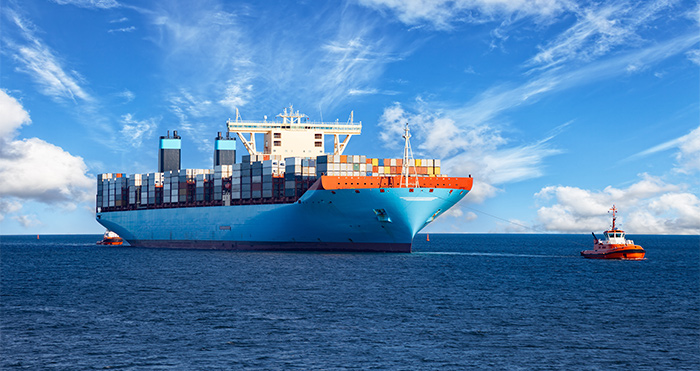
Ocean Freight Terms and Abbreviations Terms, codes, and abbreviations define many industries. Ocean Freight container shipping is no different. One of the most difficult things to navigate in ocean shipping is understanding the basic everyday terms experienced professionals take for granted. For people new to the ocean freight industry this can be as confusing as ...
Read MoreOcean Freight Terms and Abbreviations
Terms, codes, and abbreviations define many industries. Ocean Freight container shipping is no different. One of the most difficult things to navigate in ocean shipping is understanding the basic everyday terms experienced professionals take for granted. For people new to the ocean freight industry this can be as confusing as rocket science. So without further ado, here is a guide for new shippers to ocean freight terms and abbreviations.
CY/CY
CY/CY means Container Yard to Container Yard. This is when the ocean carrier is contracted to ship the container from their designated container yard at origin, to their designated container yard at destination. All costs for transport to and from these container yards are not included in the contracted price.
Port/Port
Similar to CY/CY, the term Port/Port (or sometimes read as “Port to Port”) means that the ocean carrier is contracted to move the container from the port of loading to the port of discharge. All costs for transport to and from these ports, including terminal charges, are not included in the contracted price.
FCL
The abbreviation FCL stands for Full Container Load. Shippers who contract under FCL terms will pay term for the entire container movement from point to point. A FCL container will have one shipper per container.
LCL
The abbreviation LCL stands for Less than Container Load. Sometimes a shipper will not need a full container. In these cases, the shipper will book a portion of the container or LCL. Under these terms the shipper is charged for only that portion of the container the freight uses. In most cases the cost of shipping LCL is significantly less than a full box. However, there are other shippers in the container, and LCL shipping tends to take more time, as there is coordination with multiple shippers to fill an entire container.
7 Steps To Ocean Importing | Part 1
Free In/Free Out
A shipping term most commonly used in the Mediterranean. Shippers who contract under Free In/Free Out terms are responsible for all terminal charges at both ends. The ocean carrier is simply contracted to ship the container from one port to another. Unlike Port/Port terms, Free In/Free Out states clearly that the shipper must pay terminal charges.
Liner Terms
Liner Terms are most commonly used when carriers contract space amongst each other, a shipper who has contracted liner terms with the carrier is not responsible for any terminal handling charges. The terms of contract will cover all port charges at origin and destination.
7 Steps to Ocean Importing | Part 2
GP, ST, STD
General Purpose and Standard (both abbreviations) refer to the size and type of container. Standard container sizes are 20’ and 40’ with a height of 8’6”. Standard or general purpose containers are able to carry cargo that does not require protection from heat or cold, or needs to be kept cool or frozen. All containers are 8’ in width. Naturally, the 20’ container will cost less than the 40’, however, it is not half the cost. Trades are different in how they price the 20’ box, however, a general rule of thumb is 75% of the cost of the 40’.
HC, HQ
Hi Cube Containers are similar to standard container except they are 9’6” in height. As they are larger, they generally cost slightly more to ship than standard containers, but not in all cases. Several trades today price 40’ HC containers the same as the 40’ Standard.
45’, H5’
In very specific trades, ocean carriers will offer 45’ containers. These containers are 45’ in length and have a height of 9’6”. The additional cost of shipping a 45’ over a standard or Hi Cube can range from 25-30%.
Ocean Shipments And Importer Security Filing
RE, RF
RE and RF are abbreviations for refrigerated containers. Refrigerated containers are in 20’ and 40’ HC sizes. They are built to keep products frozen, cool or heated for several weeks at a time. Technology in refrigeration has advanced over recent years to the point that variations in container temperature are rare once the unit temperature has been set. Some refrigerated containers can keep products frozen well below -50 Celcius. However, most frozen product is shipped at -18 to -25 Celcius, while cool products move between -1 and +1 Celcius. The cost to ship a refrigerated container is significantly higher than a standard box.
OT
OT is an abbreviation for open top containers. As some product requires loading on from the top of the container, shipping lines have produced specialized containers that have the roof removed. In place of that roof is a tarp, which can be removed to allow for top loading, and then reattached to protect the product. Open top containers are generally in limited supply, so the cost of shipping is higher than a standard container. The cost often depends on availability with the individual carrier, so if a shipper does require an open top container, it may be necessary to contact several shipping lines.
FR
FR or Flatrack containers have the sides and roof removed. This allows for side or top loading. Freight moving on Flatrack containers are generally oversized and may be overwidth. Specific types of project cargo generally moves on flatrack containers.
The US-China trade war has caused a stir in the freight forwarding community. With change comes uncertainty, and importers are finding out through their time and their wallets.
Read MoreThe US-China trade war has caused a stir in the freight forwarding community. With change comes uncertainty, and importers are finding out through their time and their wallets.
One of the byproducts of the trade war importers in North America are paying premiums to have their goods shipped from Asian markets to North American markets. New tariffs are impacting the supply of ocean containers travelling overseas to North America. Container ships are unable to keep up with the demand of companies trying to take advantage of the limited amount of time they have to transport their goods overseas before all of the tariffs come into play.
This imbalance between container supply and demand is causing container rollovers where certain importers are paying premiums to essentially bump other containers to ships sailing at later dates. Roll shipments will occur when customer demand surpasses the capacity carriers can load onto their ships. When demand surpasses capacity importers have to pay premium spot rates to ensure their shipments make it on time. Thus importers bringing goods from Asia to North America truly are playing the market. It really is the wild wild west on the trans-pacific.
When goods are not being shipped when expected and are continually pushed back it can be a major obstacle for North American importers. However those who are willing to pay the premiums are still able to get their goods on time, but at a cost.
According to Drewery Shipping Consultants Limited, the two-year spot freight rate trend for the World Container Index has been on a consistent increase since May where it hit a low of $1,200 per 40 ft container. As of early September 2018, it is now approaching $1,800. Comparing today’s rate with September of 2016 and 2017, where the rate was approximately $1,400, has increased by 25-30%.
Conversely, there is opportunity for exporters moving freight from North America to Asia. Now is your chance to secure more competitive rates. If you have the luxury, take advantage of this opportunity on outbound business to Asia.
As the trade war between the US and China continues, the battle between supply and demand will endure the ebbs and flows of the market. As an importer with knowledge of the trade war you have to calculate what is more important for your shipment, money or time? Whatever your situation is, the experienced team at PCB Freight Management can assist you. Contact our air, ocean or ground freight experts to support your next shipment.

Import Security Filing, is one of the most recent requirements impacting the supply chain for cargo arriving via ocean into the U.S.
Read MoreYou've made the decision to import into the USA. You have researched your product, found a supplier overseas, placed your order and received notice that the goods will be ready to ship soon. This is pretty easy, or so you think, until your supplier asks you who is going to file the Importer Security Filing (ISF).
What Exactly Is An ISF?
The ISF, otherwise known as the Import Security Filing, is one of the most recent requirements impacting the supply chain for cargo arriving via ocean into the U.S. January 6, 2009, U.S. Customs & Border Protection phased in this new requirement in order to enhance their ability to target cargo by requiring additional information prior to loading. Improving their targeting capabilities this has resulted in fewer exams on low risk shipments.
Full Enforcement Of Importer Security Filing (ISF) "10+2"
Who Is Responsible For Filing The ISF?
The Importer of Record, usually the party who purchased the goods, is responsible for the ISF filing.
There Are Two Types Of Import Security Filings.
1. The filing of an ISF10 (the most common type of ISF) applies to all containerized cargo shipments arriving into the commerce of the United States.
2. The filing of an ISF5 applies to cargo that arrives but does not enter into the commerce of the United States. There are two scenarios for the ISF5:
- the first is for Freight Remaining on Board (also known as FROB) which covers cargo proceeding to a foreign port on the same vessel, and
- the second is for freight that is offloaded and traveling in-bond through the United States to a foreign destination.
Basically, an ISF10 is like inviting someone into your house for dinner and an ISF5 is like waving hello to someone as they walk by. Sounds easy enough!
What Are The Requirements For Filing An ISF?
For An ISF10 You Will Need To Supply:
- Name and address of the Seller
- Name and address of the Buyer
- Importer of Record
- Consignee Number
- Name and address of the Manufacturer
- Name and address of the Ship-To Party
- Country of Origin
- Harmonized Tariff Schedule number or HTS for the Commodity
- Container Stuffing Location
- Consolidator
For An ISF5 You Will Need To Supply:
- Name and address of the Booking Party
- Foreign Port of Unlading
- Place of Delivery
- Name and address of the Ship to Party
- Harmonized Tariff Schedule number or HTS for the Commodity
As the importer, you are responsible for filing the ISF 24 hours prior to the goods being loaded on the vessel; we recommend that you file your ISF 48 hours prior to ensure compliance. Good business practices dictate that you have a team in place to handle these requirements. Part of that team would be a reputable customs broker. You will find that receiving your goods is easier when you have a team in place. As we solidify our status as a global economy, importing regulations will continue to change as governments continue to refine their requirements and as the importer it is your job to try to keep up! That is why having a good team in place is so important.
Importer Security Filing: Mandatory Bond Requirement
Importer Security Filing is one of the latest and greatest changes to the supply chain, and complying with this regulation is easy if you file your information completely and timely. The prospect of importing into the U.S. is a worthwhile endeavour and ISF filing is just one more piece of the profitable puzzle.


The National Motor Freight Classification (NMFC) is a standard that provides a comparison of goods(commodities) moving interstate, intrastate and…
Read MoreThe National Motor Freight Classification (NMFC) is a standard that provides a comparison of goods(commodities) moving interstate, intrastate and internationally. Commodities are grouped into one of 18 classes ranging from 50 to 500 based on four transportation characteristics:
- Density
- Stowability
- Handling
- Liability
Density being the most important factor in determining a freight class. The more dense the product is the lower the freight class. Class 50 is the least expensive and 500 is the most costly. The NMFC also includes rules and packaging requirements for each type of commodity being shipped, to ensure there is sufficient packaging for products that could possibly shift or move while in transit.
The National Motor Freight Classification guide is used by shippers, carriers, third party logistics to properly rate shipments moving interstate and via intrastate transport in North America. When shipping your product, extra care is required to select the correct freight class, otherwise the carrier hauling the goods is under obligation to re-classify the shipment, which ultimately could result in higher freight costs.
Knowing what you are shipping, what it is made out of and its end use, will allow your shipment to be classified correctly. Your service provider will classify the shipment based on the description you show on the bill of lading (bol). Often they will refer to the customs documents for additional information. A couple key details are what the product is made of (wood, plastic, metal) and what is its end use. If they are unable to classify based on information provided they will contact you.
What Is Freight Insurance And What Do Your Freight Insurance Rates Cover?
If your shipment's class relies exclusively on density, then it is extremely important to provide accurate dimensions and weight of your shipment. Any variance in either of these two will effect the density(pounds per cubic foot) therefore resulting in a different class and freight rate. Guessing dimensions and weight is not a wise decision. All carriers will re-weigh a shipment if questionable, and re measure for an accurate freight classification. Also note, if you have shipped a product for 20 years at the same class, there is a good chance that your product may have been re-classified under a new ruling.
The NMFC is updated on a yearly basis, as some products may be reclassified by the board. The 18 classes are: 50, 55, 60, 65, 70, 77.5, 85, 92.5, 100, 110, 125, 150, 175, 200, 250, 300, 400 and 500.
When in doubt contact your service provider for assistance on classifying freight.

Carriers who move goods in-bond from the First Port of Arrival (FPOA) into Canada may need to seal the trailer and/or containers as required by Canada Border Services Agency (CBSA).
Read MoreCarriers who move goods in-bond from the First Port of Arrival (FPOA) into Canada may need to seal the trailer and/or containers as required by Canada Border Services Agency (CBSA).
Shipment Sealing Is Required For:
- Carriers who are participating in a CBSA Trusted Trader Program
- Cargo that is controlled or regulated by an Act of Parliament
- Cargo moving in-transit
- Conveyance and containers moving from FPOA to a CBSA examination location as directed by CBSA.
Some exemptions apply to these sealing requirements when customs is overseeing the movement.
These Exemptions Include:
- Inland Inspection Customs Self Assessment (CSA) carriers may move in-bond goods without a seal except in cases when CBSA requires an inland inspection. In this case CBSA would affix a seal on the load at the FPOA for transport to the examination warehouse. The load must then be delivered to the release point and/or examination warehouse designated by CBSA with the seals intact. If company seals are already affixed CBSA will accept those seals and notate them.
- High Risk Convoy CBSA may permit a load to move in-bond to a destination under the convoy of a Border Services Officer (BSO), where the nature or type of vehicle is considered high risk. In this case the carrier will be expensed for the time and labour of the BSO to convoy and examine the shipment.
How To Avoid ACI eManifest Penalties Triggered By Voluntary Entries
Tips:
- Ensure the seal remains intact This company seal must remain intact unless CBSA performs an examination at the FPOA. If the seal did not remain sealed and/or the seal was broken without CBSA approval, penalties may incurred.
- eManifest requirements When a company places a seal on a trailer, vehicle or container that contains in-bond goods, the seal number must be noted correctly on the pre-arrival conveyance transmission.
Please note, CBSA has the right to seal any conveyance, container or compartment at any time.