


Summer Cross-Border Recreation Travel to Canada
It is another glorious summer, and if you’re looking for adventure, then there is no better place to go than the beautiful Canadian frontier! However, entering Canada, even for recreation, comes with rules and regulations, especially regarding what is and isn’t allowed into the country. For example, do you know what items in your trunk are legally prohibited in Canada? Do you know what goods in your cooler need to be formally declared before entering? And what documentation is required to bring the things in your backpack into the country?
In this blog, we look at the common pitfalls of summer-time travelers to the great white north, and what steps you can take to avoid them!
Bringing Pets into Canada
The Canada Border Services Agency (CBSA) is the government agency most concerned with Canadian border crossing rules, including what is and is not allowed into the country. Included in that concern are any furry friends riding shotgun on your summer trip north. Whether they are staying or entering on a temporary basis, there are rules that CBSA enforces for the Canadian Food Inspection Agency (CFIA) for Fido’s entry based on the animal's type and age.
These rules include what you need to have on you when you get to the border, what you need to have registered ahead of time, and what processes you will need to have gone through before you can bring Rover with you. Whether it’s documentation like a valid rabies vaccination certificate or a microchip, knowing is over half the battle when it comes to bringing pets into Canada.
For a complete breakdown of everything that you need to know regarding how to import dogs into Canada, it is best that you read through our full Dog Import Requirements Guide and the Canadian Food Inspection Agency (CFIA)’s Traveling with a Pet documentation.
Food and Other Perishables
There are some Canadian Customs food restrictions in play - even for recreational travel. According to the CBSA, all food, plants, animals, and their related products must be declared before being brought into the country. The list of things that this includes might surprise you, and includes things like:
- Homemade food
- Hand-made wooden crafts
- Fishing bait
- Plants - even those used for homeopathic or medicinal purposes.
A declaration is how CBSA manages and determines the risk involved with the goods you are bringing across the border. The concern is largely related to diseases and invasive species that might tag along for your summer vacation.
Importantly, it doesn’t matter if the goods are grown in Canada originally - it must be properly declared if you are trying to bring them into the country!
Recreational Vehicles
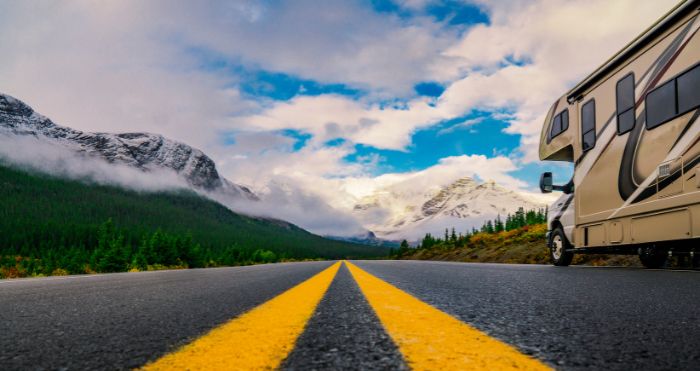
Vehicles, in most cases, do not require any special declarations if they are not intended for commercial use, including boats, motor homes, and personal cars, trucks, and motorcycles. If you are unsure whether your vehicle will require a specific piece of documentation to come into the country, it is best that you have a look at Transport Canada’s page on the temporary importation of vehicles and the CBSA’s page on the reporting requirements for private boat operators, with additional information on specific vehicle needs.
Amid the requirements above, there are two specific notes worth pointing out with regard to the stop of invasive species:
- Personal boats must be clean and the bilge empty before they enter the country.
- Off and on-road vehicles and equipment must be clean and free of soil and soil-related matter.
Cash and Gifts
The rule when declaring cash or gifts at the Canadian border is that it must be declared if it is in excess of $10,000 Canadian dollars. Notably, if your cash is in US dollars, it will need to be calculated to the Canadian dollar amount before crossing.
Gifts, if they follow the rules above, are fine to bring in (so long as they don’t include alcohol, tobacco, or vaping products), but as a word of caution - be sure to leave them unwrapped, as the CBSA may wish to see the gift and will, unfortunately, need to unwrap it. As a pro-tip, bring your wrapping stuff with you and wrap your gifts once you cross.
Other Restricted Items
The CBSA has made it fairly easy to enter the country for recreation, and most personal goods are allowed. However, there is a subset of goods prohibited at the Canadian border that require special action to be brought along with you, including permits and special permissions. These goods include (but are not limited to):
- Firearms, weapons, and ammunition (with some exceptions in place for specific use cases like competitions and hunting)
- Explosives, including fireworks.
- Cannabis and cannabis products, such as CBD Oil (regardless of the legality of your origin or destination)
As a final note, bear in mind that certain consumer goods allowed in your country may not be allowed in Canada, for example, baby walkers.
Traveling to Canada is intended to be a fairly straightforward process, and with a very modest amount of diligence, it will be! Just be careful of what you are transporting with you, which of those things need to be declared, and that you have everything you need for the things you are bringing.
For a free and printable guide on what you need to know when traveling to Canada, you can find one here.





%20Logo%20Vector-DBG.svg)